50 Round Patterns: A Designer's Review
When I first opened the folder for 50 Round Patterns, I wasn't just looking at a pile of vector files; I was visualizing how they would translate from a screen to a needle. As someone who has spent years reviewing embroidery designs for everything from boutique clothing lines to custom holiday gifts, I know that the difference between a good design and a great one often comes down to versatility and structural integrity. This collection promises geometric precision in SVG, AI, and PNG formats, but does it hold up when you are actually stitching it onto fabric? After running several test scenarios on different materials, here is my honest take on how these patterns perform in real-world projects.
The First Impression: Mood and Visual Personality
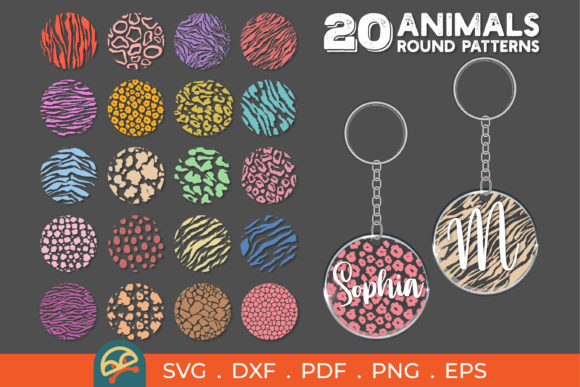
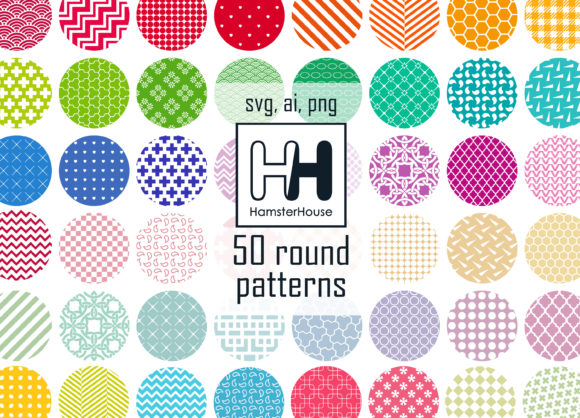
The moment you see the 50 Round Patterns laid out, there is an immediate sense of order and rhythm. Unlike free-form floral motifs or chaotic abstract shapes, these geometric circles offer a structured elegance that feels both modern and timeless. The mood they create is clean and professional, which makes them incredibly versatile for commercial use. Whether you are designing a high-end corporate giveaway or a whimsical baby gift, these graphics provide a solid foundation without overwhelming the viewer.
What stands out most is the adaptability of the shapes. Because they are vectors, the ability to change colors instantly is a game-changer for designers working with specific client palettes. You aren't stuck with a single colorway; you can tweak the hue to match a brand identity or a seasonal theme in seconds. This flexibility suggests that these patterns are not just decorative elements but strategic design assets that can elevate a product line significantly.
Real-World Application: From Screen to Stitch
I put this collection through a rigorous test by imagining three distinct project scenarios: a custom embroidered tote bag, a set of personalized aprons for a kitchen shop, and a series of baby bibs for a nursery decor line. In each case, the 50 Round Patterns showed promise, but the execution depended heavily on the application method.
Tote Bags and Home Goods
For canvas tote bags and tea towels, the geometric nature of these round patterns works beautifully. The symmetry allows the design to anchor well on rectangular fabrics, creating a balanced look that appeals to customers looking for minimalist home decor. When used as a central motif on a tote bag, the clean lines of the pattern draw the eye immediately. However, if you plan to use this for embroidery patches or applique work, the density of the fill stitches needs to be considered carefully to ensure the edges remain crisp.
Baby Items and Soft Goods
When transitioning to softer fabrics like cotton jersey for baby clothes or muslin for swaddles, the 50 Round Patterns shine due to their gentle curves. There is nothing harsh about these shapes, making them perfect for baby embroidery. The circular motifs mimic the softness of the fabric itself, creating a cohesive aesthetic. For small business owners selling handmade products, this design offers a way to maintain brand consistency across different items, from hoodies to pillow covers, ensuring your shop looks professional and curated.
Apparel and Caps
Applying these designs to curved surfaces, such as caps or sweatshirts, requires a bit more planning. While the patterns are scalable, fitting a complex geometric circle onto a curved brim can sometimes distort the shape if the digitization isn't precise. For sweatshirt embroidery, placing the design on the chest area usually yields the best results, where the fabric lies relatively flat. If you are targeting commercial embroidery clients, you must advise them on placement to avoid distortion during wear.
Where Caution is Key: Limitations and Challenges
No design is perfect for every situation, and being transparent about limitations is part of responsible design review. There are specific scenarios where 50 Round Patterns might struggle if not handled with care.
- Small Hoop Sizes: If you are attempting to stitch these patterns into very small hoops, such as those used for keychains or tiny accessories, the detail level might get lost. The geometric precision could become muddy if the stitch count is too low relative to the size.
- Textured and Stretchy Fabrics: Embroidering dense geometric fills on stretchy knits or highly textured fabrics like bouclé can lead to puckering. The tension required to pull the threads tight might cause the fabric to bunch up, ruining the clean look of the circles.
- Dense Stitch Areas: If the design relies heavily on fill stitch to cover the entire circle, it may become too stiff for garments that need to drape softly, like a lightweight dress or a fitted shirt.
- Dark Fabrics: Without proper underlay or thread selection, light-colored geometric patterns on dark backgrounds can lose definition. You will need to select the right thread colors and potentially add a stabilizer layer to prevent the fabric from showing through the gaps.
Visual Appeal and Customer Trust
In the world of handmade products and Etsy listings, presentation is everything. A design that looks sharp and intentional builds trust with the buyer. 50 Round Patterns contribute to a sense of professionalism because they suggest that the maker cares about details. When a customer sees a perfectly stitched geometric circle on a custom apparel item, they perceive higher value in the finished product. This attention to detail translates directly to sales and repeat business.
Furthermore, the ability to customize the vector colors allows you to create unique mockups for digital previews. You can showcase how the design looks in various colorways before the physical product is even made, which is crucial for printable mockups and online marketing. This visual clarity helps potential buyers visualize the final result, reducing hesitation and increasing conversion rates.
Practical Notes for the Embroidery Designer
Before you commit to using these patterns in a paid project, there are several technical steps you should take to ensure success. First and foremost, always test the design on scrap fabric that matches your intended project material. This will reveal any issues with stitch density or fabric puckering before you ruin a customer's garment.
Check your hoop size compatibility carefully. Ensure that the design fits within your machine's hoop dimensions without requiring awkward trimming. Review the stabilizer requirements; some geometric designs need cut-away stabilizers for stability, while others might work fine with tear-away depending on the fabric weight. Also, inspect the small details in the corners of the circles to ensure they won't break down during washing.
If you are planning to sell finished items featuring these designs, double-check the licensing terms provided with the download. Confirm whether the license allows for commercial use of the finished product versus resale of the digital file itself. Finally, compare your design in black and white mockups to ensure the contrast holds up, and then test it on both light and dark backgrounds to verify the thread choice.
Final Thoughts
The 50 Round Patterns collection is a robust tool for any designer looking to add structure and style to their embroidery projects. Its strength lies in its geometric simplicity and the ease with which it can be adapted to different contexts. Whether you are creating a holiday embroidery gift, a boutique branding element, or a personalized gift for a loved one, these patterns offer a reliable starting point.
By understanding the strengths and limitations of the design, you can produce finished products that are not only beautiful but also durable and professional. For crafters and small business owners alike, this set of design assets provides the versatility needed to compete in a crowded market. Just remember to do your testing, respect the fabric, and let the geometry guide your creativity.