Camo Seamless Vector Patterns SVG Review
I have spent years reviewing embroidery designs, testing everything from delicate florals to bold geometric shapes on everything from silk scarves to heavy canvas. When I first saw Camouflage Seamless Vector Patterns SVG, my initial reaction was a mix of curiosity and caution. Camo is a classic motif, but in the world of machine embroidery, it can easily turn into a muddy mess if the design isn't handled with precision. This product is listed under Patterns and Graphics, which tells me immediately that this is likely a vector-based asset meant for versatility rather than a pre-digitized stitch file for a specific machine.
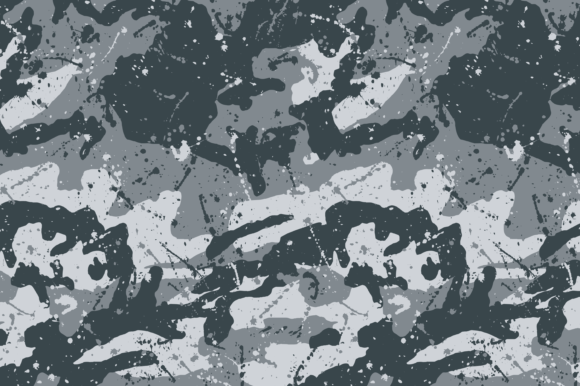
The visual personality of Camouflage Seamless Vector Patterns SVG screams utility and ruggedness. It carries an abstract, monochrome energy that feels perfect for military-inspired themes, outdoor gear, or modern streetwear aesthetics. Unlike traditional camouflage that relies heavily on color blocks, this abstract version offers a cleaner, more graphic look. For a designer looking to create something unique, this pattern provides a solid foundation without feeling dated. It creates a mood of adventure and durability, making it an ideal candidate for projects that need to feel tough yet stylish.
Real-World Application: The Custom Tote Bag Scenario
Let's talk about how this actually translates to a finished product. Imagine you are preparing for a busy craft fair season. You want to create a line of custom embroidered tote bags featuring a rugged, outdoorsy theme. You need a background texture that adds depth without overwhelming the main message. This is where Camouflage Seamless Vector Patterns SVG shines.
If I were using this for a large tote bag made of sturdy cotton canvas, I would treat this vector pattern as a fill area. Instead of trying to stitch every single jagged edge of the camo shape individually, which could lead to puckering and thread breaks, I would use the pattern to define a background zone. I might layer a satin stitch outline over the vector path to give it structure, then use a dense fill stitch or a long-stitch variation to mimic the texture of the fabric within the pattern. The result would be a sophisticated backdrop that makes any text or logo pop. Customers walking by would see a high-end, textured finish rather than a flat print, instantly increasing the perceived value of your handmade product.
This same logic applies to sweatshirt embroidery. A full-chest camo block on a hoodie can look incredibly professional if the density is managed correctly. However, you must remember that this is a digital embroidery file concept derived from a vector graphic. If you are planning to sell these items on Etsy or run a small shop, you need to ensure the digitization process captures the essence of the Camouflage Seamless Vector Patterns SVG without losing the definition of the shapes.
Where This Design Fits Best
Camouflage Seamless Vector Patterns SVG is not a one-size-fits-all solution, but it excels in specific categories. It is naturally suited for:
- Apparel Decor: Heavyweight fabrics like denim jackets, canvas aprons, and workwear shirts benefit from the rugged nature of the pattern.
- Baby Items: Believe it or not, soft baby onesies often feature playful "mini-camo" prints. Using this pattern for a subtle back-of-neck detail or a pocket accent can create a trendy, gender-neutral baby gift.
- Home Goods: Pillow covers, kitchen towels, and even throw blankets can utilize this seamless repeat to add a masculine touch to home decor.
- Patches: Creating an embroidered patch with this background allows for a clean, professional finish that stands out against a plain uniform or backpack.
For the digital product seller, this is a goldmine. You can offer printable mockups showing clients how this pattern looks on various backgrounds. It serves as a versatile design asset that helps buyers visualize their final finished product.
Navigating Technical Challenges
While the aesthetic potential is high, there are significant technical hurdles to consider before stitching. The primary concern with Camouflage Seamless Vector Patterns SVG is the complexity of the shapes. Camouflage patterns are inherently jagged and irregular. In a machine embroidery design, these sharp angles can cause needle deflection, leading to misaligned stitches or skipped threads.
You need to be very careful when selecting your hoop size. Attempting to stitch a large, detailed camo pattern in a small hoop increases the risk of tension issues. The fabric needs enough stability to hold the shape without distorting. If you are working on stretchy fabric like a jersey t-shirt, the aggressive nature of a camo fill can cause the garment to pucker significantly unless you use a high-quality cut-away stabilizer.
Another critical factor is thread color contrast. Since this pattern is described as monochrome, you have the freedom to choose your own palette. However, on dark fabric, light threads might get lost if the fill density isn't high enough. Conversely, on light fabric, dark threads might bleed through if the underlay isn't sufficient. Always test your thread colors on scrap fabric first. A simple mistake here can ruin the entire embroidery project.
When to Avoid This Pattern
There are scenarios where Camouflage Seamless Vector Patterns SVG simply won't work well. Avoid using this for tiny details on children's clothing where the design might be too coarse. Small hoop sizes are also a red flag; if the pattern requires intricate curves, a small hoop will struggle to maintain accuracy. Additionally, be wary of using this on thin or delicate fabrics like chiffon or sheer silk. The weight of the stitches required to cover the pattern will overwhelm the material.
If you are designing for curved surfaces like caps, the distortion of the seamless pattern can look unnatural. While possible, it requires advanced digitizing skills to map the pattern correctly around the curve. For beginners, it is safer to stick to flat surfaces like tote bags or pillow covers.
Professional Tips for Success
To get the most out of Camouflage Seamless Vector Patterns SVG, you need a strategic approach. First, review the stitch density. If the pattern is too dense, it will become stiff and uncomfortable to wear. If it is too sparse, the background will show through, ruining the effect. Adjust the settings to find a balance that mimics the texture of real fabric.
Always inspect the small details. In vector graphics, lines can sometimes be too thin for embroidery. Ensure that no part of the pattern is so fine that the needle cannot physically stitch it. If necessary, simplify the geometry slightly to improve reliability. Also, check whether the design works for both personal and commercial projects. Licensing is crucial for Etsy sellers and small business owners; confirm that you have the right to sell items made with this pattern.
Finally, think about the customer experience. A well-executed camo pattern shows attention to detail and builds customer trust. It elevates a simple item into a statement piece. Whether you are creating a personalized gift or a commercial embroidery order, the key is to respect the limitations of the medium while leveraging the strength of the design.
In conclusion, Camouflage Seamless Vector Patterns SVG is a powerful tool for any designer willing to put in the prep work. It offers a rugged, modern aesthetic that fits perfectly into the current market for outdoor and casual wear. By understanding its strengths and avoiding common pitfalls regarding fabric choice and stitch density, you can create stunning handmade products that stand out in a crowded marketplace. Just remember to test, adjust, and always prioritize quality over speed.