Floral Digital Paper Patterns Review
As a designer who has spent years turning digital files into tangible, stitched reality, I approach every new asset with a mix of excitement and skepticism. You never know if a pretty image will translate well onto fabric until it actually hits the needle plate. Recently, I put Floral Digital Paper Patterns through its paces to see if it belongs in my workflow for real client projects. This isn't just about looking at a JPEG on a screen; it is about understanding how those delicate lines hold up under tension, how the colors pop against different threads, and whether the final result feels like a premium handmade product or a cheap knockoff.
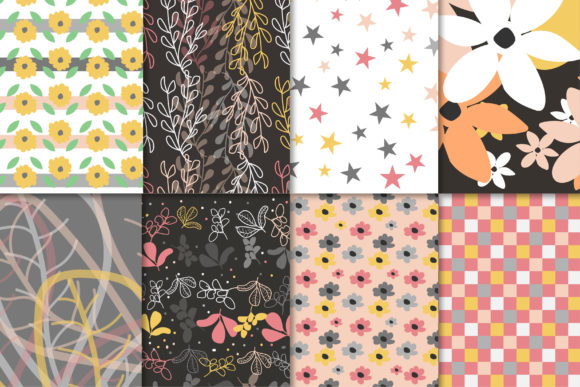
The first thing you notice about Floral Digital Paper Patterns is the mood. It carries a soft, organic energy that immediately suggests springtime gardens, cozy nurseries, or rustic kitchen aesthetics. The layout feels balanced without being rigid, offering a visual personality that fits naturally into home decor and wearable art. For an embroidery designer, the initial impression is crucial because it dictates where the design can live. Does it scream "high-end boutique" or does it feel more like a quick craft fair item? In this case, the design leans heavily toward the former, provided the execution is done right.
From Screen to Stitch: A Real Project Scenario
To truly evaluate these graphics, I imagined a specific scenario: a custom order for a local boutique owner who wanted a line of embroidered tote bags and aprons for her shop. She needed something versatile enough to appeal to customers buying gifts but detailed enough to justify a higher price point. This is where Floral Digital Paper Patterns enters the conversation.
I pulled out the 12×12 inch high-resolution JPGs to visualize the placement on a canvas tote. The scale felt appropriate for a central chest logo or a larger back print. However, moving from a flat graphic to a three-dimensional textile introduces variables that no file format can fully predict. When I mocked up the design on a dark denim fabric, the contrast was striking. But when I considered a light cotton tea towel, the density of the floral elements required careful thread selection to ensure the background didn't get lost in the stitch work.
The versatility here is impressive. The pack includes formats like EPS and AI, which allows me to manipulate the vector paths before converting them for machine embroidery. This means I could easily adjust the size for a small baby onesie or expand it for a large sweatshirt without losing the crisp edges of the petals and leaves. The inclusion of SVG files is a massive plus for modern digitizing workflows, allowing for quick tracing and color separation.
Performance in Diverse Embroidery Situations
Not all fabrics play nice with every design. My experience suggests that Floral Digital Paper Patterns performs best on stable, medium-weight fabrics. Think woven cottons, linens, and sturdy blends found in aprons, pillow covers, and kitchen towels. These materials provide the necessary foundation to support the stitch density without puckering.
- Custom Apparel: On t-shirts and hoodies, the design shines as a statement piece. The floral motifs look excellent when rendered in satin stitch for the outlines, giving a smooth, glossy finish that catches the light.
- Baby Items: For baby clothes and nursery decor, the gentle curves of the pattern are perfect. However, you must be mindful of the thread count. Soft, matte threads often look better on baby garments than shiny polyester, and the design should be scaled down slightly to avoid overwhelming the small surface area.
- Home Decor: This is where the design truly finds its home. Pillow covers and blankets benefit from the intricate details. The 300 DPI resolution ensures that even when printed on mockups for Etsy listings, the preview looks professional and trustworthy.
For commercial embroidery projects, having a reliable source of patterns is essential. If you are an Etsy seller or run a small shop, consistency is key. Using Floral Digital Paper Patterns across multiple products creates a cohesive brand identity. Customers recognize the style, which builds trust and encourages repeat purchases. Whether you are creating personalized gifts or holiday merchandise, the design offers a level of sophistication that elevates the perceived value of your finished product.
Navigating Limitations and Fabric Challenges
Every design has its limits, and honesty is vital for any serious designer. While Floral Digital Paper Patterns is robust, there are situations where caution is required. Small hoop sizes present a significant challenge. If you attempt to stitch this design in a 4x4 inch hoop, the fine details might get crowded, leading to thread breaks or a loss of definition. Always check the minimum recommended hoop size before committing to a project.
Textured fabrics can also be tricky. If you are working with a bouclé wool or a heavy corduroy, the needle might struggle to penetrate the weave evenly, causing the design to shift. Thin, stretchy fabrics like jersey require extra stabilizer and careful tension settings. Without proper backing, the floral elements could distort, ruining the symmetry of the pattern. Similarly, curved surfaces like caps demand a specific digitizing approach to account for the curvature; a flat design file won't automatically adapt to the shape of a hat brim.
Dense stitch areas within the flowers need attention. If the fill stitches are too tight, the fabric may pucker, especially on lighter materials. Conversely, if they are too loose, the design will lack body. It is always wise to test the design on scrap fabric first. This simple step saves time and material by revealing potential issues with thread color contrast or stitch density before you start stitching on the actual product.
Design Notes for the Practical Maker
Before you download and start stitching, there are practical steps to ensure success. First, review the file formats included. The presence of EPS, AI, and SVG files indicates flexibility, but you must confirm the licensing terms. Are you allowed to use these designs for commercial sale? Do you need to purchase additional licenses for bulk production? Never assume; read the fine print.
When preparing the design for embroidery, consider the thread colors carefully. High-contrast combinations usually yield the clearest results. Test the design in black and white mockups to see how the shapes interact without the distraction of color. This helps identify if any parts of the pattern are too thin to stitch effectively. Also, inspect small details closely. Sometimes, what looks like a solid line in a vector file becomes a series of disconnected dots once converted to stitch data.
Using the correct stabilizer is non-negotiable. For Floral Digital Paper Patterns, a cut-away stabilizer is often the best choice for items that will be washed frequently, such as aprons or tote bags. It provides long-term stability and prevents the embroidery from stretching out over time. If you are working on a project that needs to be stiff, like an embroidered patch, you might need a different backing strategy.
Ultimately, Floral Digital Paper Patterns is a valuable asset for designers looking to add a touch of nature and elegance to their collection. It bridges the gap between digital convenience and physical craftsmanship. By understanding its strengths and respecting its limitations, you can create finished products that delight customers and stand the test of time. Whether you are making a single personalized gift or launching a full line of boutique products, this design set offers the foundation for professional, high-quality embroidery work.
Remember, the difference between a good project and a great one often lies in the preparation. Take the time to test, adjust, and refine. With the right approach, Floral Digital Paper Patterns can transform simple fabric into a cherished keepsake.