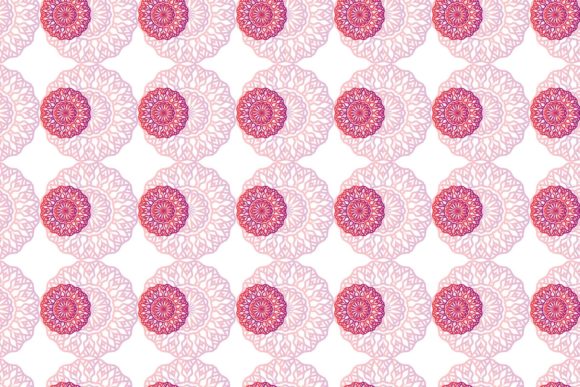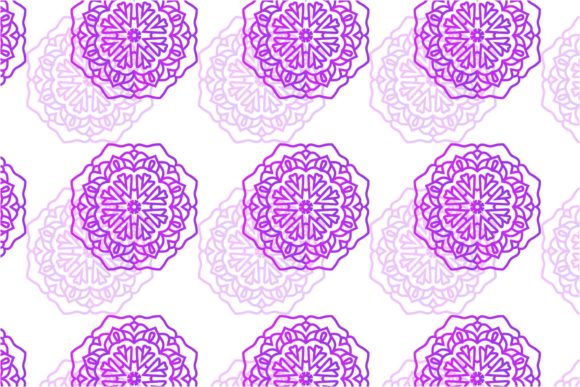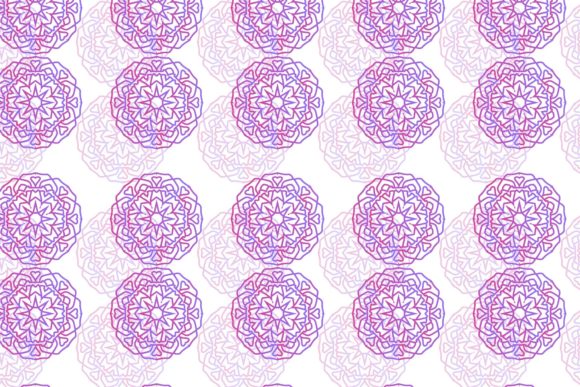
Mandala Design for Patterns: Graphics for Modern Publishing
In the fast-paced world of digital publishing, a single graphic can determine whether a reader stops scrolling or keeps moving. As a blog designer and publisher who has spent years refining editorial layouts and optimizing content performance, I know that visual assets are not just decoration; they are critical components of user experience and brand trust. Recently, I evaluated Mandala Design for Patterns, a versatile graphic design asset intended for diverse projects. My goal was to see if this file could seamlessly integrate into a real-world content workflow, from featured images to downloadable lead magnets.
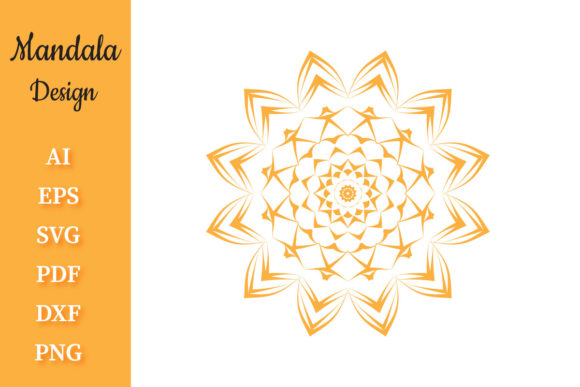
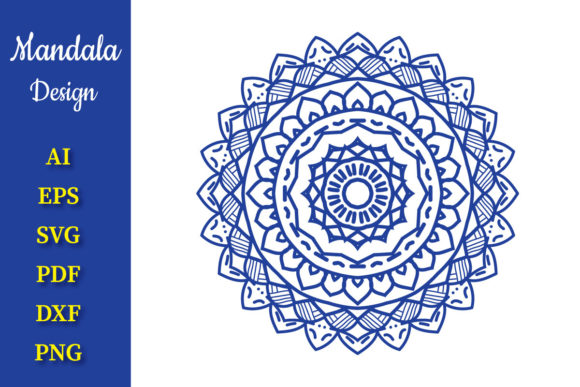
The first impression of Mandala Design for Patterns is one of intricate balance and rhythmic flow. Unlike generic geometric shapes, this design carries a specific editorial mood that feels both artistic and grounded. It creates an atmosphere of mindfulness, creativity, and sophistication. For publishers in niches like wellness, lifestyle, education, or spiritual growth, this design asset naturally supports the narrative without overpowering the message. It strikes a delicate balance between being decorative enough to capture attention and clean enough to maintain professional credibility. When used correctly, it elevates the perceived value of your content, signaling to your audience that you care about every detail of their reading experience.
Integrating Editorial Quality into Your Workflow
Imagine a typical Tuesday morning where you are preparing a week's worth of content for your affiliate blog. You need a cohesive visual strategy that works across multiple platforms. This is where the versatility of Mandala Design for Patterns becomes invaluable. The download includes high-resolution files compatible with Adobe Illustrator CS and CC versions, ensuring that your web design elements remain crisp regardless of how much you scale them up or down.
I tested this asset across several key publishing scenarios. First, as a background for Pinterest pins. In the crowded Pinterest feed, a subtle mandala pattern adds depth and texture that plain colors cannot achieve. It draws the eye immediately while leaving ample negative space for bold typography. Next, I applied it to newsletter graphics and email headers. Here, the design acts as a visual anchor, reinforcing your brand identity with every send. The intricate details create a sense of luxury and care that readers respond to positively, often leading to higher open rates and click-through potential.
Beyond social media, this creative design fits perfectly into digital products. Whether you are creating an eBook cover, a worksheet for a course, or a printable guide, the pattern provides a polished frame that makes the content feel premium. It transforms a simple PDF into a tangible resource that users are eager to download. For content marketing strategies involving lead magnets, the visual hierarchy created by this pattern helps guide the reader's eye toward the call-to-action, ensuring your conversion goals are met without aggressive sales tactics.
Enhancing Visual Hierarchy and Reader Trust
One of the most significant benefits of using Mandala Design for Patterns in your editorial design is the improvement in visual hierarchy. A well-structured layout guides the reader through your content logically. By using this asset as a section divider, a sidebar accent, or a category thumbnail, you create distinct zones on the page. This structure reduces cognitive load, making your articles easier to scan and more enjoyable to read.
Furthermore, consistent use of high-quality design assets builds reader trust. When your website looks professional and cohesive, visitors perceive your information as more authoritative. This is crucial for affiliate marketing and online educators who rely on establishing expertise. If your visuals look cheap or inconsistent, even the best-written content may be dismissed. Mandala Design for Patterns offers a level of polish that suggests you have invested time and effort into your platform, which translates directly into increased credibility and engagement.
The asset also shines when used for website headers and hero images. Instead of relying on stock photography that everyone else uses, a custom pattern application gives your site a unique signature. It allows you to own your visual space, creating a memorable visual identity that distinguishes your brand in a saturated market. Whether you are promoting a new product, launching a course, or sharing a seasonal article, this modern design element ensures your message stands out.
Navigating Challenges and Best Practices
While Mandala Design for Patterns is highly adaptable, there are specific contexts where it requires careful handling. As a publisher, I learned that context is everything. On small mobile thumbnails, the intricate details of the mandala might become muddy or indistinguishable. In these cases, it is essential to simplify the view or use the pattern only as a border rather than a full background. Similarly, if your niche is strictly corporate or serious professional services, a decorative mandala might feel too playful or informal. Always consider your audience's expectations before applying a creative design element.
Text-heavy blog images also demand caution. If you overlay text on a busy pattern, readability can suffer. To avoid this, ensure you use strong contrast and perhaps add a semi-transparent overlay to soften the pattern behind the text. Testing your designs in black and white is another excellent step to verify that the visual weight remains balanced without relying on color alone. This ensures accessibility and maintains impact even in grayscale formats.
Practical Publisher Notes for Implementation
To get the most out of this commercial design tool, follow these practical steps during your implementation phase. First, always test your graphics on desktop and mobile screens. A pattern that looks stunning on a 27-inch monitor might appear overwhelming on a smartphone. Second, preview the design inside a real blog layout. Does it clash with your existing navigation bar? Does it interrupt the flow of the article? Third, check how the pattern interacts with different font styles. Try pairing it with serif fonts for a classic look, sans-serif for modernity, or script fonts for a touch of elegance. Each combination tells a slightly different story.
Don't forget technical considerations. Review the file size to ensure it does not slow down your website's loading speed. Compress images properly using tools designed for web performance. Finally, confirm your commercial license before using the asset on monetized websites, affiliate pages, or paid content products. Understanding the terms of use protects your business and ensures you can leverage the asset fully without legal concerns.
In conclusion, Mandala Design for Patterns is more than just a decorative file; it is a strategic tool for any publisher looking to elevate their visual communication. From blog graphics to social media graphics, this asset supports a wide range of content publishing needs. By integrating it thoughtfully into your workflow, you can create a more engaging, trustworthy, and visually stunning digital presence. Whether you are a small business owner, a creative entrepreneur, or a seasoned blogger, this graphic design asset offers the flexibility and quality needed to succeed in today's competitive online landscape.