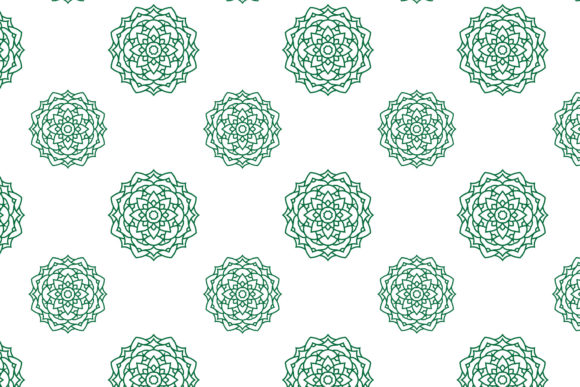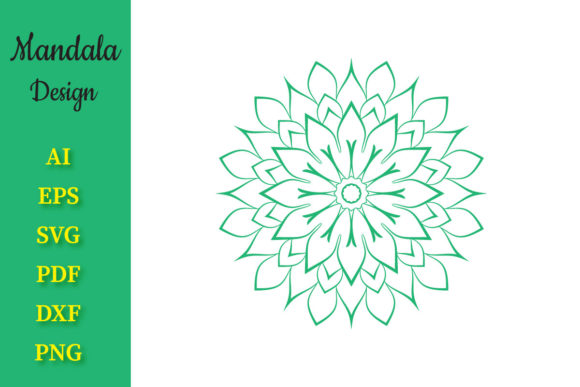
Mandala Design for Patterns Vol.30 Review
When I first opened the files for Mandala Design for Patterns Vol.30, I wasn't just looking at a pretty image; I was immediately thinking about the needle, the hoop, and the final stitch count on a customer's garment. As someone who has spent years reviewing embroidery designs for real-world commercial use, I know that a beautiful vector doesn't always translate to a clean machine embroidery file. This is where the rubber meets the road. My goal with this review is to cut through the marketing fluff and give you a practical assessment of how Mandala Design for Patterns Vol.30 will perform when it hits your embroidery machine, specifically for those of us running small shops or crafting personalized gifts.
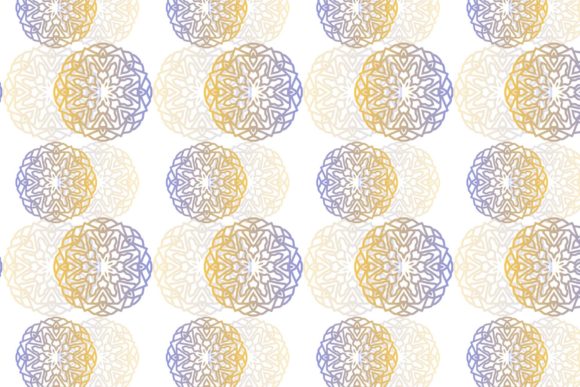
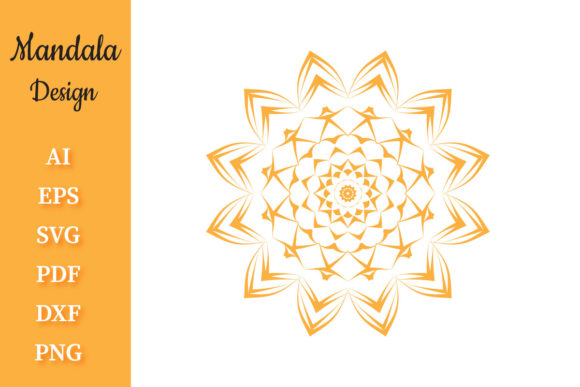
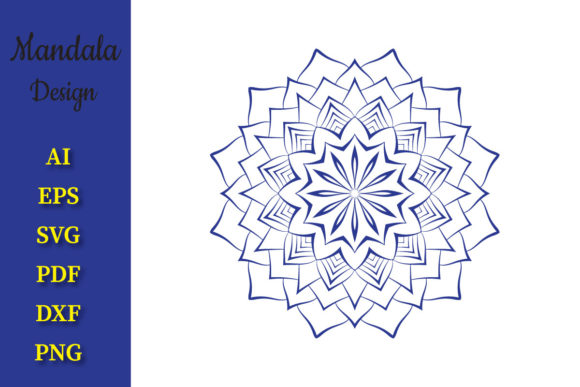
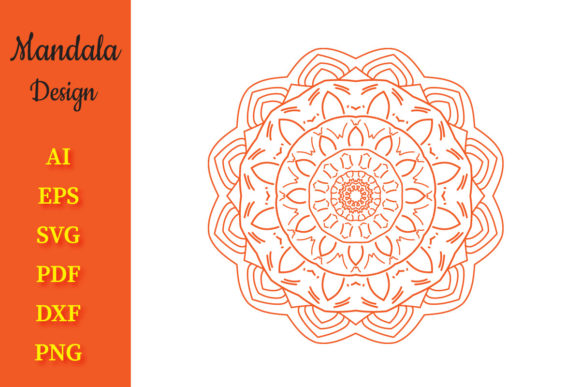
The initial visual impression of this design is one of balanced complexity. Mandalas have a reputation for being either too sparse or overwhelmingly dense, but this entry in the series strikes a chord of symmetry that feels organic rather than rigid. The layout suggests a central focal point surrounded by intricate geometric flourishes. For an embroiderer, this geometry is crucial because it dictates how the design will sit on different surfaces. It screams "home decor" and "apparel accent," making it a versatile asset for your design assets library. It creates a mood of calm sophistication, which is exactly what buyers are looking for when they purchase handmade items like nursery decor or boutique branding materials.
Let's imagine a real-life scenario to see how this design actually behaves. Suppose you are preparing a custom embroidered tote bag for a local craft fair or an Etsy listing. You want something that elevates a simple canvas bag into a premium product. Mandala Design for Patterns Vol.30 fits perfectly here. The symmetrical nature of the mandala allows it to be centered on the front of a tote without feeling off-balance, even if the bag is slightly wrinkled during transport. When stitched onto a sturdy cotton canvas using high-contrast thread colors, the intricate details pop against the fabric texture, creating a tactile experience that customers love to touch. It transforms a basic utility item into a statement piece, increasing the perceived value of your finished product significantly.
However, not every project is a tote bag. Consider the challenge of applying this design to a sweatshirt or a baby onesie. While the design is robust enough for a medium-sized chest print on a sweatshirt, you need to be mindful of the stitch density. If the original vector contains very fine lines that convert to tiny satin stitches, you might run into issues with puckering on stretchy knit fabrics. For a baby item, the softness of the fabric requires a lighter touch. In this case, Mandala Design for Patterns Vol.30 works best if you adjust the fill stitch settings to reduce density or if you use a running stitch variation for the outer details to keep the fabric from becoming stiff. A stiff onesie is a return waiting to happen, so testing the feel of the embroidery is non-negotiable.
I also had to consider where this design should be used carefully. Small hoop sizes are often the enemy of detailed mandalas. If you attempt to stitch the full resolution of Mandala Design for Patterns Vol.30 on a 4x4 hoop, the inner details may become muddy or lost entirely. The same caution applies to textured fabrics like terry cloth or thick fleece. On these surfaces, the sharp lines of the mandala can get swallowed up by the nap of the material. Similarly, if you are working on dark fabric, the contrast becomes critical. You must ensure your thread colors are vibrant enough to stand out against the background, otherwise, the design loses its impact. For curved surfaces like caps, the design needs to be digitized with specific curvature adjustments to lay flat; a flat vector file alone won't guarantee a professional look on a curved brim.
From a business perspective, the versatility of this design is its strongest selling point. For an Etsy seller or a small shop owner, having a reliable embroidery file that can be adapted for multiple products is essential. You could use the same core design for a holiday gift set: a pillow cover for the living room, a kitchen towel for the chef, and an apron for the baker. The consistency in the pattern helps build brand recognition. When a customer sees the same elegant mandala style across your product line, it signals professionalism and attention to detail. It tells them that you care about the quality of the finished product, not just the speed of production.
Before you commit to a large batch of orders, there are several practical steps you must take. First, always test the design on scrap fabric that matches your intended final material. This is the only way to truly judge how the stabilizer interacts with the design. If you skip this step, you risk ruining expensive inventory due to unexpected shifting or puckering. Second, check the hoop size requirements. The product description mentions AI and EPS formats, which are excellent for scaling, but you still need to verify that the final stitch count fits within your machine's capabilities. Third, inspect the small details closely. Sometimes, vectors contain paths that are too close together, which can cause thread breaks or bird nesting in the embroidery machine. Running a black-and-white mockup can help you visualize the negative space and ensure the design isn't too cluttered.
For those of you interested in commercial use, licensing is a major factor. Since the download includes Adobe Illustrator CS/CC versions, you have the flexibility to modify the design for unique client requests. However, you must confirm the license terms before selling the finished items or the digital file itself. Are you allowed to sell the physical goods? Can you resell the digital vector? These questions determine whether this design fits into your commercial embroidery workflow or remains a personal hobby tool. Without clear confirmation, assume you cannot use it for mass production until you verify the rights.
The visual appeal of Mandala Design for Patterns Vol.30 extends beyond just the stitching. It affects customer trust and engagement. A well-executed mandala on a handmade product suggests patience and skill. In a market flooded with mass-produced goods, the imperfections and texture of hand-stitched embroidery add a layer of authenticity that buyers crave. Whether it is a personalized gift for a wedding or a boutique product for a seasonal sale, this design has the potential to elevate your brand identity. It provides a level of detail that feels luxurious without being ostentatious.
In conclusion, Mandala Design for Patterns Vol.30 is a strong contender for any designer looking to expand their portfolio of patterns and graphics. It offers a blend of traditional symmetry and modern versatility that works well across a wide range of applications, from tote bag designs to holiday embroidery. Just remember that the success of the final product relies heavily on your preparation. Test your satin stitch density, choose the right stabilizer, and respect the limitations of your fabric and machine. By treating this design as a tool for problem-solving rather than just a decoration, you can create stunning handmade products that your customers will cherish for years to come.