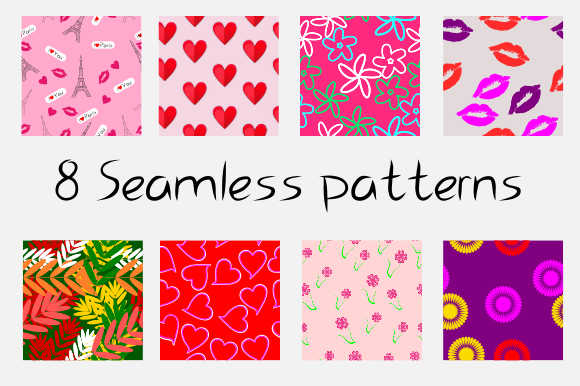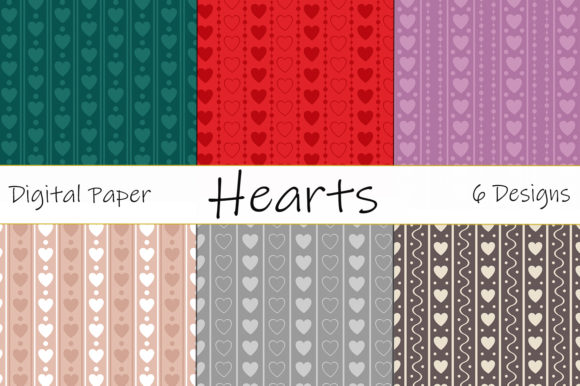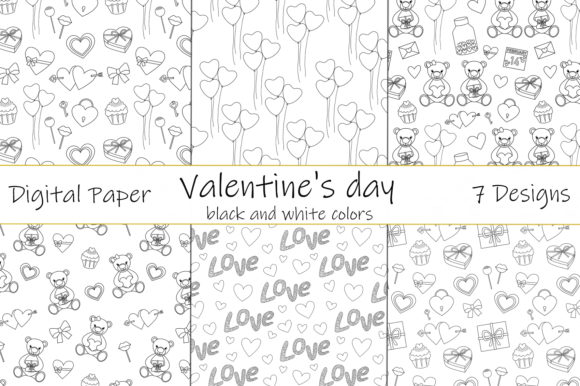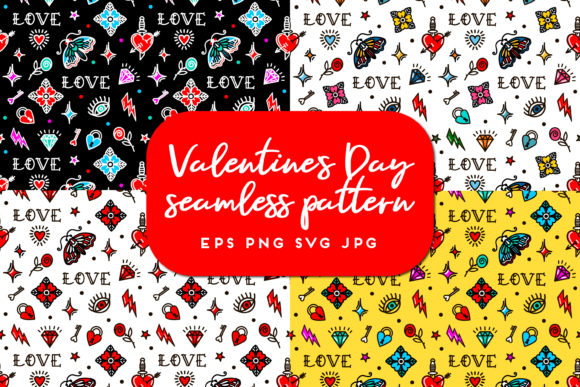
Valentine Patterns. Old School Patterns Review
As a designer who has spent years stitching custom apparel and reviewing digital assets for craft businesses, I approach every new download with a mix of excitement and skepticism. When Valentine Patterns. Old School Patterns landed in my folder, I didn't just see a collection of graphics; I saw potential for tangible products. The description promises seamless patterns suitable for textiles and paper, but the real question for any serious maker is how these designs translate from a screen to a needle. After testing the concept against various embroidery scenarios, here is my practical assessment of whether this design asset belongs in your next commercial project or personal gift.
The First Impression: Mood and Visual Personality
The immediate vibe of Valentine Patterns. Old School Patterns is nostalgic yet refined. Unlike modern, neon-drenched Valentine's Day graphics that often feel cluttered, this collection leans into a classic aesthetic. The shapes and layouts suggest a vintage charm that feels timeless rather than trendy. For an embroidery designer, this visual personality is crucial because it dictates the type of fabric and thread colors that will make the finished product sing. The detail level appears balanced, offering enough texture to create interest without overwhelming a small hoop size. It creates a mood of warmth and tradition, making it ideal for projects that aim to evoke a sense of heritage or handmade authenticity.
This isn't just a "love" theme; it's a design language that speaks to customers looking for quality over quantity. When you place a design like this on a handmade product, it elevates the perceived value immediately. It signals to the buyer that you care about the details, which is essential for building trust in a competitive market like Etsy or local craft fairs.
Real-World Application: From Screen to Stitch
I recently imagined using Valentine Patterns. Old School Patterns for a specific client request: a line of boutique kitchen towels and aprons for a holiday pop-up shop. The goal was to create items that felt cohesive as a set but distinct enough to stand alone. Because the pattern is described as seamless, it offers incredible versatility for large surface areas like aprons or tea towels where a repeating motif adds depth without breaking the flow of the design.
In a scenario involving custom apparel, such as a sweatshirt or a tote bag, the old-school style allows for a sophisticated look that avoids the cheesy pitfalls often associated with Valentine's Day merchandise. Imagine a high-quality canvas tote bag featuring a subtle, repeating pattern stitched in deep burgundy or forest green threads. This would appeal to buyers who want to use their bags year-round, not just on February 14th. The design works exceptionally well for embroidery projects that require a background texture, allowing the main subject to pop while maintaining a professional finish.
For small business owners selling digital products, this asset is a goldmine. You can create printable mockups for packaging, wrapping paper, or stationery that perfectly match the embroidered goods you sell. This consistency in branding—from the physical stitch to the digital preview—creates a strong brand identity. Customers notice when the presentation is unified, and it significantly boosts engagement and repeat purchases.
Where to Exercise Caution
While the design has broad appeal, it is not a one-size-fits-all solution. As an experienced reviewer, I must highlight where Valentine Patterns. Old School Patterns might struggle if not handled correctly. The first area of concern is small hoop sizes. If the pattern contains intricate details or dense fill stitches, attempting to fit it into a tiny 4x4 inch hoop could result in lost definition. Always inspect the small details before committing to a final stitch count.
Fabric choice is equally critical. Textured fabrics, thin materials, or highly stretchy knits can distort the pattern lines, especially if the design relies on precise geometric alignment. Dark fabrics present another challenge; unless you have access to high-contrast thread colors or underlay techniques, the old-school details might get lost in the weave. Furthermore, if you are planning to use this for embroidered patches that require frequent washing, you need to ensure the stitch density is robust enough to withstand friction and agitation. Curved surfaces, like caps or fitted hats, also require careful testing to ensure the seamless nature of the pattern doesn't look awkward when wrapped around a curve.
Impact on Product Value and Customer Trust
The decision to use Valentine Patterns. Old School Patterns goes beyond aesthetics; it affects the bottom line. A design that looks crisp and intentional commands a higher price point. Customers are willing to pay more for a personalized gift that shows clear attention to detail and professional execution. Conversely, a design that pucks, gaps, or loses clarity due to poor file preparation can damage your reputation instantly.
When used effectively, this design enhances brand consistency. Whether you are creating a wedding gift set, nursery decor, or holiday merchandise, the cohesive look of the pattern ties the entire collection together. It helps in creating a recognizable signature style that buyers come to associate with your shop. In the world of commercial embroidery, where margins can be tight, choosing a design that minimizes errors and maximizes visual impact is a strategic move.
Practical Designer Notes for Execution
Before you hit the "start" button on your machine, there are several steps you should take to ensure success. First and foremost, test the design on scrap fabric that matches your intended final material. This allows you to gauge how the stitch density interacts with the specific weave of your fabric. Check the thread color contrast carefully; what looks good on a white monitor might disappear on a charcoal gray shirt.
Review the hoop size requirements and confirm they align with your available equipment. If the design includes delicate running stitches or fine satin stitches, ensure your stabilizer is appropriate to prevent puckering. Inspect the small details closely, perhaps by zooming in on the digital file or printing a test sheet, to verify that no elements are too small to stitch clearly. It is also wise to test the design in black and white mockups to check the composition without the distraction of color.
Finally, compare how the design performs on both light and dark backgrounds. If you plan to sell finished products commercially, double-check the licensing terms provided with the embroidery file. Some designs allow for unlimited sales, while others may restrict the number of units or prohibit resale of digital copies. Understanding these terms protects your craft business from legal issues down the road.
Ultimately, Valentine Patterns. Old School Patterns offers a versatile foundation for a wide range of creative endeavors. By approaching it with a critical eye and following best practices for stabilization and testing, you can transform this digital asset into a stunning physical reality. Whether you are an Etsy seller looking to refresh your inventory or a hobbyist crafting a unique gift, this design provides the structure needed to build something beautiful and enduring.