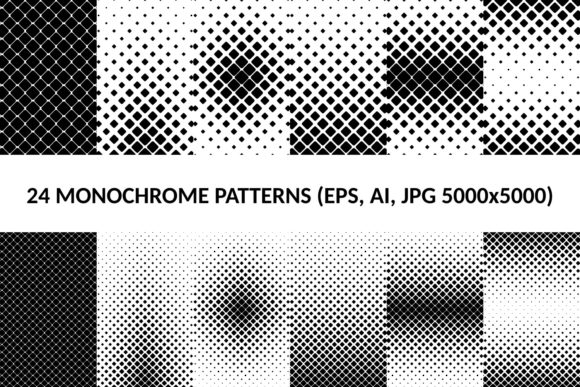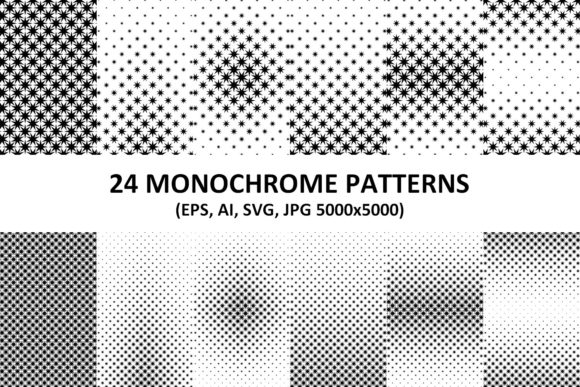
24 Monochrome Circle Patterns Review
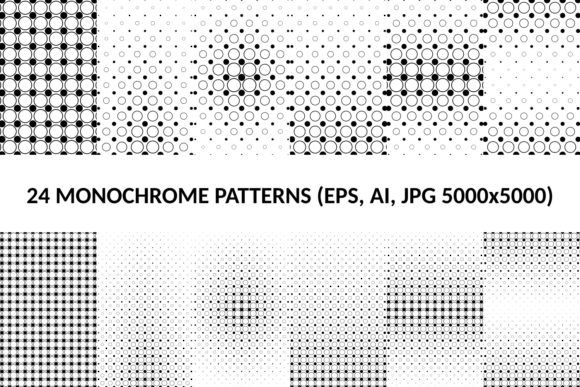
As someone who has spent years stitching designs for clients and running a small embroidery shop, I know that the difference between a good product and a great one often comes down to the details. When I first opened the package for 24 Monochrome Circle Patterns, my initial reaction wasn't about the sheer number of files or the specific vector formats included. Instead, I was immediately struck by the mood these graphics created. They are clean, geometric, and undeniably modern. In a market flooded with floral motifs and whimsical script, this collection of circle patterns offers a sharp, minimalist alternative that feels perfectly suited for contemporary branding and high-end apparel.
The visual personality of these patterns is defined by their simplicity. There is no clutter here, just pure geometry. For an embroidery designer, this translates to excellent potential for clarity on fabric. The monochrome nature means that the focus remains entirely on the shape and the negative space, which is crucial when translating digital graphics into thread. Whether you are planning to use these as a background texture or as a standalone focal point, the design assets provide a professional foundation that elevates any finished product.
Real-World Application: From Screen to Stitch
I recently put these patterns to the test during a rush project for a local boutique client. They needed a custom embroidered tote bag line that felt cohesive but not overly busy. The client wanted something that could work for both men and women, suitable for a coffee shop or a craft fair booth. My mind went straight to 24 Monochrome Circle Patterns. I selected a few of the denser variations to serve as a subtle background fill behind a simple logo, and others to create a bold border.
The result was striking. On the canvas tote, the circles provided a structured rhythm that drew the eye without overwhelming the central message. Because the designs are vector-based, they scaled effortlessly from a tiny patch on a cap to a large panel on a sweatshirt. This versatility is rare. Many pattern packs look great in a digital mockup but fall apart when stitched. However, the clean lines of these graphics maintained their integrity even after being transferred to the hoop. Customers at the craft fair immediately commented on the "clean" look of the bags, noting that they stood out against the more traditional, colorful options available elsewhere.
Where These Designs Shine
Custom Apparel and Home Goods
This collection is particularly effective for home decor items like pillow covers and kitchen towels. The geometric precision of the circles works beautifully on linen or cotton blends, adding a touch of sophistication to a nursery or a modern kitchen. I also tested them on baby clothes, where the lack of intricate, tiny details makes them safer and easier to stitch without creating hard spots that might irritate delicate skin. The patterns translate well to satin stitch for borders and fill stitch for larger areas, ensuring a smooth finish.
Small Business Merchandise
For Etsy sellers and craft entrepreneurs, consistency is key. Using 24 Monochrome Circle Patterns allows you to maintain a strong brand identity across different products. You can use the same motif on a business card, a sticker sheet, and a printed shirt. The ability to export these as JPG 5000x5000 images means you can easily create printable mockups for your online listings, giving buyers a realistic preview of how the design will look on the final product.
Holiday and Seasonal Gifts
During the holiday season, these patterns offer a fresh take on gift-giving. Imagine a set of embroidered tea towels featuring these monochrome circles paired with a festive ribbon. Or perhaps a set of matching aprons for a family gathering. The neutral color palette ensures that the design doesn't clash with seasonal themes; it simply adds a layer of style that feels timeless rather than trendy.
Navigating Challenges: What to Watch Out For
While I am generally impressed with the utility of this pack, an honest review must address where caution is required. Not every embroidery machine or fabric type will yield the same results. If you are working with small hoop sizes, you need to be careful with the most intricate variations of the circle patterns. Tiny details can sometimes get lost in the stitching process, especially if the stitch density is too high for the fabric weight.
Fabric Texture and Stability
Textured fabrics, such as heavy denim or bouclé, can make the crisp lines of these circles appear slightly distorted. Similarly, stretchy fabrics require extra attention to stabilizer placement. Without a proper cut-away stabilizer, the tension of the stitching might cause the fabric to pucker, ruining the perfect geometry of the pattern. Dark fabrics also present a challenge; while the designs are monochrome, the contrast relies heavily on the thread color choice. A light grey thread on a navy blue shirt might not have enough visibility, whereas white or black thread would pop significantly better.
Curved Surfaces
Applying these flat, geometric patterns to curved surfaces like caps or fitted hats requires skill. The circles may appear stretched or compressed depending on the curvature of the hat's crown. It is essential to test the design on a scrap piece of the actual garment material before committing to a customer order. Additionally, dense stitch areas should be avoided on thin fabrics, as the weight of the thread could tear through the material over time, especially if the item needs frequent washing.
Practical Designer Notes for Success
Before you start stitching, there are several steps every professional should take to ensure quality. First, always test the design on scrap fabric. This helps you gauge the thread color contrast and check the stitch density. You want to ensure that the fill stitches lay flat and don't create ridges that catch on clothing.
Review the file formats carefully. The package includes vector AI, EPS, and SVG files, which are ideal for adjusting size and orientation in your embroidery software. However, you should verify the specific stitch count and machine compatibility within your own software settings, as these can vary based on your digitizing preferences. Confirming the hoop size requirements is also vital; some of the larger pattern combinations might exceed standard hoop dimensions, requiring multiple hooping sessions.
Inspect small details closely. Even though these are geometric shapes, some variations might have very fine lines that require a smaller needle or finer thread. Don't forget to test the design in black and white mockups to see how the value contrasts look, as this often reveals issues that color can hide. Finally, always check the licensing terms if you plan to sell finished items made with these graphics. Ensuring you have the right permissions protects your business and builds trust with your customers.
In conclusion, 24 Monochrome Circle Patterns is a valuable addition to any embroidery designer's toolkit. It strikes a balance between artistic flair and practical application. By understanding its strengths and respecting its limitations, you can create stunning, professional-grade products that resonate with buyers. Whether you are making personalized gifts, expanding your Etsy shop, or fulfilling commercial orders, these design assets offer a reliable way to elevate your work.