24 Monochrome Rounded Square Patterns Review
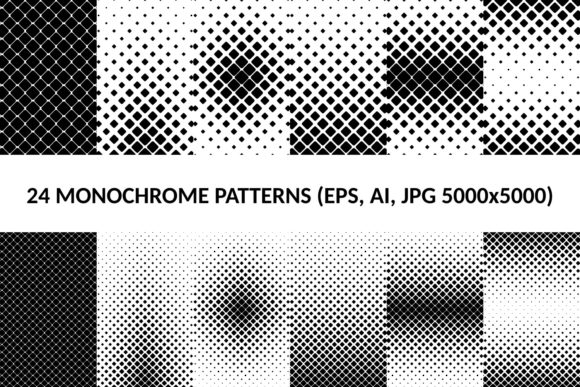
I have spent years stitching everything from delicate baby bonnets to heavy-duty workwear patches, and I know that the difference between a design that looks great on a screen and one that holds up in the hoop is often found in the details. When I first saw 24 Monochrome Rounded Square Patterns, my initial thought wasn't about the file formats or the sheer quantity of files included. Instead, I was immediately drawn to the clean geometry and the subtle diagonal movement within the shapes. As an experienced designer, I am always looking for assets that can elevate a project without overwhelming it, and this package feels like a breath of fresh air for anyone tired of cluttered, overly complex embroidery designs.
The monochrome nature of these patterns is their greatest strength. In the world of machine embroidery, color management can be a nightmare. By sticking to a strict black-and-white palette, these Patterns offer incredible versatility. They are designed to work seamlessly whether you are using high-contrast white thread on dark denim or subtle gray stitches on a cream linen apron. The rounded square motif itself strikes a perfect balance; it is modern enough for a boutique clothing line but classic enough to fit into traditional nursery decor or holiday gift items. It creates a mood that is organized, professional, and quietly stylish.
Real-World Application: The Custom Tote Bag Scenario
To truly understand how this design performs, let me walk you through a real scenario I recently considered for a client's small business launch. Imagine a local coffee shop owner who wants custom embroidered tote bags for her customers. She needs something that screams "handmade" but also looks polished enough to justify a premium price point. A standard floral pattern might feel too generic, while a complex script font could get lost in the weave of canvas fabric.
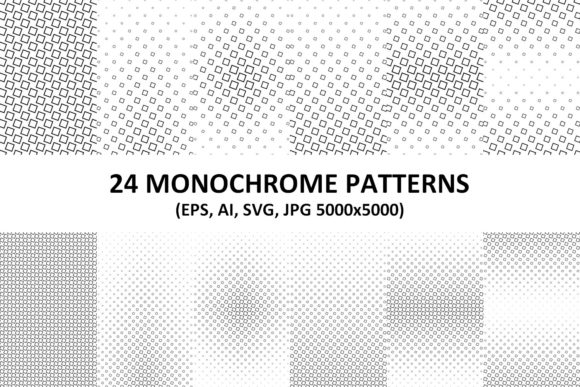
This is where 24 Monochrome Rounded Square Patterns shines. The diagonal layout provides just enough visual interest to draw the eye without creating a dense block of stitching that would make the fabric stiff or difficult to fold. I envision placing a single large square pattern centered on the front of a natural canvas tote, stitched in a deep charcoal thread. The result would be understated yet sophisticated. Because the design relies on shape rather than intricate detail, it translates beautifully to the limitations of embroidery thread. There is no risk of tiny lines disappearing under the tension of the needle, which is a common issue with vector graphics that aren't optimized for stitching.
I also see this working exceptionally well for a set of matching kitchen towels. Imagine a set of three tea towels, each featuring a different variation of the diagonal square pattern in varying sizes. When hung together, they create a cohesive brand identity for a home goods shop. The monochrome theme ensures that even if the customer uses different thread colors for the text or logos later, the background pattern will never clash. It acts as a neutral anchor for the entire product line.
Technical Performance and Stitch Clarity
When evaluating any embroidery file for commercial use, stitch density and clarity are non-negotiable. The 24 Monochrome Rounded Square Patterns appear to rely heavily on fill stitches and running stitches to define the borders and internal divisions. This is a smart choice because fill stitches provide excellent coverage on medium-weight fabrics like cotton twill or fleece, while running stitches add texture without adding bulk.
However, not every surface is created equal. While this design is fantastic for flat surfaces like pillow covers, aprons, and sweatshirts, I would advise caution when applying it to curved surfaces like caps or fitted t-shirts. The diagonal orientation of the squares might look slightly distorted if the curvature of the hat crown isn't perfectly accounted for in the digitizing process. If you are planning to use these for custom apparel on stretchy fabrics, you must ensure your stabilizer is robust enough to prevent puckering. A slight distortion here could ruin the crispness of the rounded corners, which are the defining feature of this asset.
For smaller projects, such as baby clothes or personalized gifts like bibs, the scale of the pattern becomes critical. You will need to resize the design carefully. If the pattern is too large for a small chest area, it will overwhelm the garment. Conversely, if it is too small, the diagonal lines might merge into a solid blob, losing the intended geometric effect. Always test the design at its final intended size before committing to a full production run.
Where to Exercise Caution
While this is a versatile collection, there are specific scenarios where you should proceed with care. First, avoid using dense versions of this pattern on thin or delicate fabrics like silk or chiffon unless you are using a very light stabilizer and low stitch count settings. The weight of the thread could pull the fabric down, ruining the drape of the item. Second, be mindful of dark fabrics. While monochrome designs are usually safe, the contrast level depends entirely on your thread choice. If you choose a dark grey thread on a black shirt, the design will vanish. White or silver threads are the safest bets for maximum impact on dark backgrounds.
Additionally, if you are creating products that require frequent washing, such as baby blankets or dishcloths, ensure that the edges of the satin stitches are secure. Loose threads on a high-friction item can lead to fraying over time. The rounded nature of the squares helps mitigate sharp corners that might catch on things, but proper finishing is still key to a durable finished product.
Practical Notes for the Embroidery Designer
Before you load this into your machine, there are several practical steps every professional should take. Even though the package includes vector AI, EPS, and SVG files, remember that vectors are not embroidery files. You will likely need to import these into your digitizing software to convert them into stitch data. During this conversion, pay close attention to the stitch density. If the software automatically fills the squares with a high-density pattern, consider reducing it to save time and thread, especially for larger areas.
Always test the design on scrap fabric first. This is the golden rule of the trade. Check how the thread colors interact with your specific fabric texture. Sometimes a color that looks vibrant on a monitor appears dull on a textured linen. Also, inspect the small details closely. Are the diagonal lines distinct? Do the rounded corners maintain their shape after stitching? If you are selling these as part of a craft business or listing them on Etsy, your reputation depends on the quality of the output.
Finally, confirm the licensing terms before using these designs for commercial embroidery projects. Ensure you have the right to sell finished goods made with this pattern. Many designers assume all digital downloads come with commercial rights, but this varies by creator. Once you have verified the license, you can confidently integrate these design assets into your workflow.
In conclusion, 24 Monochrome Rounded Square Patterns is a solid addition to any designer's library. It offers a modern, clean aesthetic that fits perfectly into the current market for handmade and personalized goods. Whether you are creating a tote bag design for a craft fair or updating your sweatshirt embroidery offerings, this pattern provides the structural integrity and visual appeal needed to create professional results. It is a tool that respects the constraints of the medium while offering endless creative possibilities.