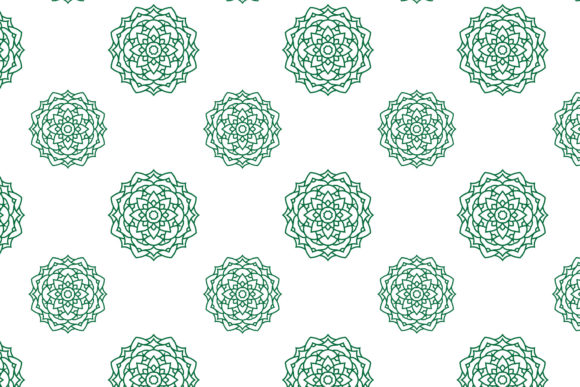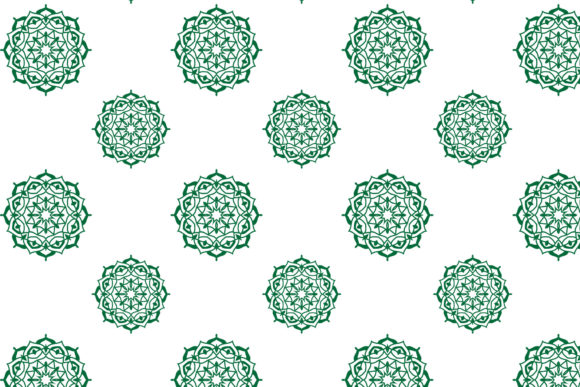
Green Mandala Patterns Vector Review for Embroidery
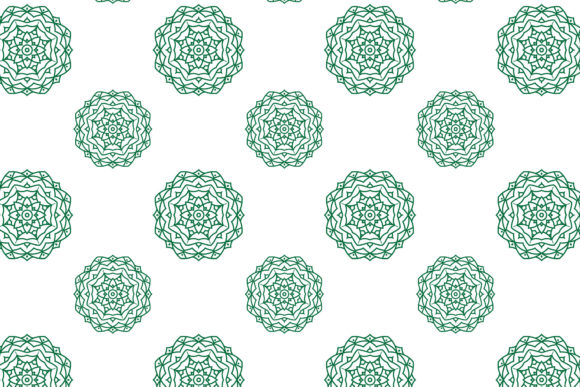
When I first opened the Green Mandala Patterns Vector file, my immediate reaction wasn't about the stitch count or the specific format. It was about the mood. There is a distinct calmness to this design that feels right at home in a nursery or a boutique craft shop. As someone who has spent years turning digital graphics into tangible stitched pieces, I know that not every vector file translates well from a screen to a fabric surface. This particular set of patterns strikes a balance between intricate detail and structural integrity, making it a strong candidate for serious embroidery projects.
The visual personality of the Green Mandala Patterns Vector suggests versatility. The layout is symmetrical yet organic, which is crucial when you are working with circular hoops or trying to center a design on a tote bag. Unlike some mandalas that become muddy when reduced in size, this graphic retains its geometric clarity. For an Etsy seller or a small business owner looking to create unique merchandise, this asset offers a level of sophistication that elevates a standard handmade product. It feels less like a generic clip art and more like a custom illustration ready for production.
Real-World Application: From Screen to Stitch
Let's talk about how this design behaves in a real project scenario. Imagine you are preparing for a holiday market or fulfilling a custom order for a client who wants a personalized gift. You decide to use the Green Mandala Patterns Vector on a heavy cotton apron for a home baker. The mandala shape works beautifully here because it can be centered on the chest pocket or framed as a large motif on the back.
In this context, the vector nature of the file is a massive advantage. Because the design is openable and editable, you can adjust the scale to fit the specific area of the apron without losing resolution. If you were using a raster image, you would risk pixelation once the machine started stitching. With this vector source, you can resize the pattern to fill a 4x4 hoop or expand it to cover a full sweatshirt back panel. When converted into a proper machine embroidery design, the clean lines of the vector ensure that the satin stitch edges remain sharp, preventing that fuzzy look that often ruins the professional feel of a finished product.
I also see potential for this design in baby items. A soft green mandala embroidered on a muslin swaddle or a onesie creates a soothing aesthetic that parents love. However, the density of the pattern requires careful planning. If you plan to use this for baby embroidery, you must ensure the stitch density isn't too high, as stiff fabric can irritate delicate skin. The vector allows you to modify the density settings before digitizing, giving you control over the final hand-feel of the garment.
Where to Use (and Where to Pause)
While the Green Mandala Patterns Vector is robust, no single design fits every situation perfectly. As an experienced reviewer, I need to point out where caution is necessary. The intricate details within the mandala mean that this design might struggle on very small hoop sizes. If you attempt to stitch this on a tiny patch for a cap brim, the fine inner details may merge together, creating a solid blob rather than a defined pattern. In such cases, simplifying the design by removing smaller elements might be required before converting it to an embroidery file.
Fabric texture is another critical factor. This design relies on clear contrast between stitches and background. On a highly textured fabric like a chunky knit sweater or a rough burlap sack, the definition of the mandala could get lost. Similarly, on stretchy fabrics like jersey t-shirts, the dense fill areas of the mandala could cause puckering if the wrong stabilizer isn't used. For these applications, a cut-away stabilizer is non-negotiable to maintain the shape of the pattern.
Dark fabrics present their own challenge. While the vector itself is just black and white until you assign colors, the green theme implies a need for light backgrounds to truly pop. If you are stitching this on a dark navy hoodie, you will need to layer a substantial amount of underlay or use a lighter thread color for the base to prevent the dark fabric from showing through the gaps in the design. Without proper testing, the final finished product might look dull rather than vibrant.
Impact on Brand Value and Customer Trust
For those of us running a craft business or selling on platforms like Etsy, the quality of the design directly impacts customer trust. A sloppy, distorted mandala screams "low effort," whereas a crisp, well-executed embroidered patch or tote bag design signals professionalism. The Green Mandala Patterns Vector has the potential to boost the perceived value of your items. When a customer receives a gift that features a precise, symmetrical pattern, they associate that precision with the care you put into your work.
This design also supports brand consistency. If you are creating a line of products—say, kitchen towels, pillow covers, and aprons—all featuring the same mandala motif, the vector format ensures that the logo remains identical across all items. This uniformity is key for building a recognizable identity in the commercial embroidery space. It allows you to create cohesive collections that look like they belong together, rather than a random assortment of mismatched designs.
Practical Notes for the Designer
Before you commit to a full production run, there are several steps you should take to ensure success with this asset. First and foremost, always test the design on scrap fabric. This simple step reveals issues with thread colors, tension, and hoop size that you might miss in a digital preview. Check the stitch density closely; if the design looks too crowded, consider reducing the fill percentage to improve durability.
You should also inspect the small details in the vector. Sometimes, paths that look fine on a monitor become problematic when stitched, especially if they involve tight corners or tiny curves. Ensure that the design works well in both black and white mockups to verify that the composition holds up without relying on color alone. Comparing the design on light and dark backgrounds during the proofing stage will help you decide on the best thread palette.
Don't forget to check the licensing terms. If you intend to sell personalized gifts or small shop products made with this design, confirm that your license permits commercial use. Some vectors are for personal use only, and violating these terms can lead to legal trouble down the line. Additionally, review the file compatibility with your specific digitizing software to ensure you can edit the paths effectively.
Final Thoughts on the Design Potential
The Green Mandala Patterns Vector is more than just a decorative element; it is a versatile tool for creative entrepreneurs. Whether you are creating holiday embroidery for seasonal sales or designing a custom line of custom apparel, this graphic provides a solid foundation. Its ability to be resized and edited without loss makes it a smart investment for anyone looking to streamline their workflow.
However, remember that the magic happens in the execution. The vector is just the starting point. Your skill in selecting the right stabilizer, choosing complementary thread colors, and managing the machine tension will determine whether the final piece is a masterpiece or a mistake. By treating this design with the respect it deserves and following rigorous testing protocols, you can transform this digital asset into a stunning physical reality that customers will cherish.
For those ready to elevate their embroidery project game, this mandala pattern offers a blend of elegance and adaptability that is hard to beat. Just keep the practical constraints of fabric and hardware in mind, and you will find that this design fits seamlessly into a wide array of handmade products.