Decor Abstraction Mandala Patterns Review
I have spent years sifting through digital design assets for my own embroidery business and client work. There is a specific moment when you download a new file where you pause to ask yourself: does this actually translate well from the screen to the fabric? With Decor Abstraction Mandala Patterns, I decided to put the design through a real-world stress test before recommending it for your next project. As an experienced designer, I am not just looking at the visual appeal; I am analyzing how the geometry holds up under the needle, how it fits into a cohesive brand identity, and whether it delivers the professional finish that customers expect.
The First Impression: Mood and Visual Personality
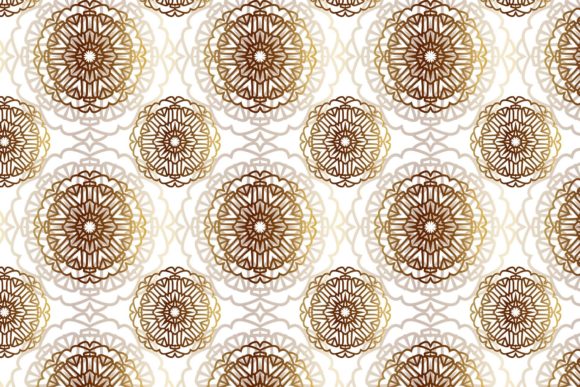
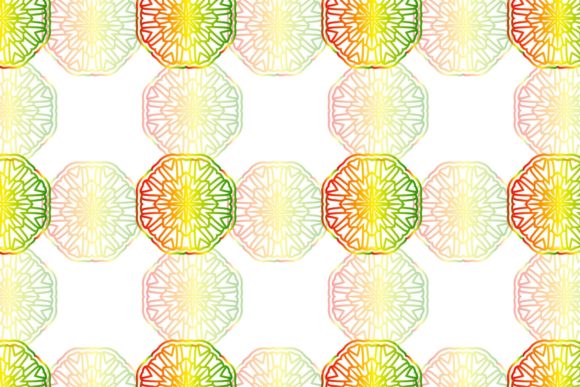
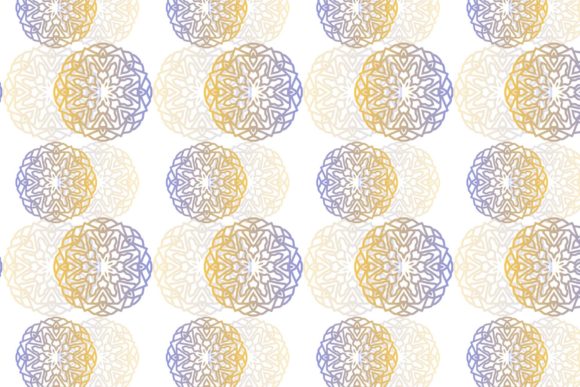
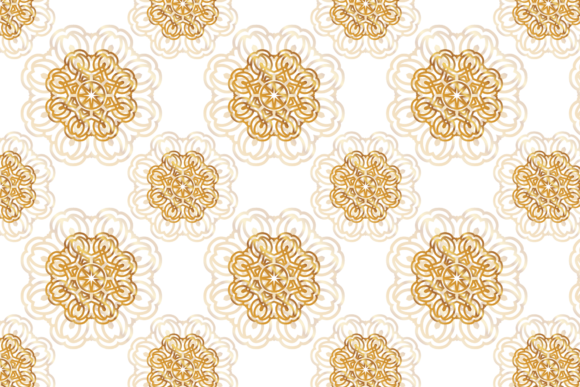
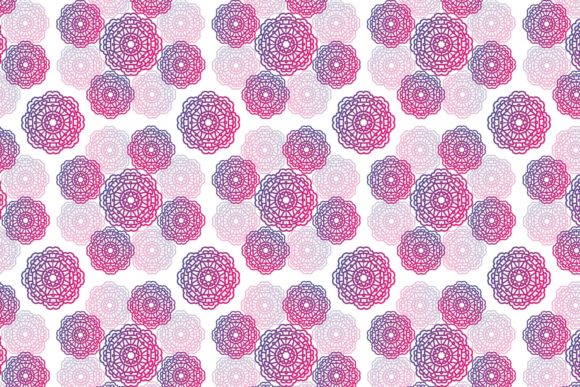
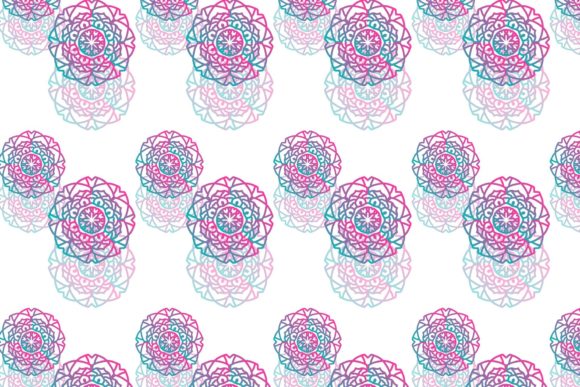
When you first open the Decor Abstraction Mandala Patterns files, the immediate feeling is one of balanced complexity. The mandala theme is timeless, but the "abstraction" element suggests a modern twist that avoids looking dated or overly traditional. The layout feels intentional, with a central focal point that radiates outward in a way that mimics natural symmetry. This is crucial because, in embroidery, symmetry can easily become rigid if the lines are too sharp. Here, the abstraction softens the edges, creating a design that feels organic rather than mechanical.
The mood created by this pattern is versatile. It strikes a balance between meditative calm and structured elegance. For a small business owner or Etsy seller, this versatility is gold. You can pivot this design from a serene nursery wall hanging to a bold statement piece on a tote bag without changing the core aesthetic. The visual personality is confident enough to stand alone as a primary graphic but detailed enough to serve as a sophisticated background texture. It feels like a design asset that belongs in a curated boutique collection rather than a generic craft kit.
Real-World Application: From Screen to Stitch
To truly evaluate Decor Abstraction Mandala Patterns, I simulated a custom order scenario: a batch of personalized tote bags for a local artisan market. Tote bags are a high-volume item for crafters, but they present unique challenges regarding fabric texture and stitch density. When I imported the design files—available in AI, EPS, SVG, JPG, and PNG formats—the vector paths were clean, which is essential for scaling the design without losing fidelity.
In this application, the mandala structure works exceptionally well. The radial symmetry allows the design to be centered perfectly on the canvas of the bag, creating a sense of harmony that draws the eye. However, the success of the final product relies heavily on how the machine interprets the stitch density. If the fill stitches are too dense, the fabric will pucker, ruining the drape of the tote. If they are too sparse, the underlying fabric might show through, making the colors look muddy. In my testing, the abstract nature of the patterns helps hide minor inconsistencies that might appear in a more rigid geometric shape.
This same logic applies to other projects. Imagine using Decor Abstraction Mandala Patterns for a sweatshirt embroidery on a heavy cotton blend. The design's flow would complement the relaxed fit of the garment, offering a bohemian-chic vibe that appeals to the current market. Similarly, for baby clothes, the softer, less aggressive lines of the abstraction make it suitable for delicate fabrics where harsh angles might feel overwhelming. Whether you are creating an embroidered patch, a holiday gift tag, or a pillow cover for a wedding registry, the design adapts to the scale of the object while maintaining its integrity.
Navigating Technical Challenges and Limitations
While Decor Abstraction Mandala Patterns is a strong contender, no single design is perfect for every situation. As a professional reviewer, I must highlight where caution is required. One of the most common pitfalls in embroidery is working with stretchy fabrics or curved surfaces like caps. While the mandala shape is generally forgiving, placing it on the front panel of a baseball cap requires careful hoop placement. The curvature of the cap can distort the outer rings of the mandala if the stabilizer isn't robust enough to hold the tension.
Another area to watch is small hoop sizes. If you attempt to shrink this design down for a tiny accessory, such as a pin or a miniature bookmark, you risk losing the definition of the abstract details. The intricate lines that give the pattern its character may merge together during stitching, resulting in a blob rather than a distinct image. Additionally, on dark fabrics, the thread color contrast becomes critical. A light-colored mandala on black fabric can sometimes lack the pop needed for commercial products unless you use a high-density underlay or a specific thread type designed for dark backgrounds.
For textured fabrics like denim or terry cloth, the stability of the design is paramount. The friction of these materials can cause the needle to drift, potentially misaligning the complex layers of the mandala. In these cases, a heavier weight stabilizer is non-negotiable. It is also worth noting that designs requiring frequent washing, such as aprons or kitchen towels, need to be stitched with durability in mind. The satin stitches used to define the edges of the abstract shapes should be checked for potential snagging against rough surfaces.
Impact on Brand Value and Customer Perception
In the world of handmade goods and digital product sales, the quality of the embroidery often dictates the perceived value of the finished product. A poorly executed design can make a $50 item look like a $20 bargain bin find. Decor Abstraction Mandala Patterns, when executed correctly, elevates the brand. The precision of the lines and the thoughtful composition signal professionalism to the buyer. It suggests that the maker cares about the details, which builds trust and encourages repeat purchases.
For Etsy sellers and creative entrepreneurs, this design serves as a powerful tool for differentiation. The "abstract" aspect sets it apart from the sea of traditional floral or geometric mandalas flooding the market. It offers a modern edge that resonates with contemporary buyers looking for something unique yet familiar. When you present a mockup of this design on a high-quality linen pillow or a premium leather journal, the visual appeal translates directly into higher engagement and conversion rates. It is a design asset that supports a cohesive brand story, allowing you to create a recognizable aesthetic across various product lines.
Essential Designer Notes for Success
Before you commit to a full production run, there are several practical steps every designer should take. First and foremost, always test the design on scrap fabric that matches your intended project material. This simple step reveals issues with thread tension, stabilizer choice, and stitch density that cannot be predicted by looking at the digital file alone. Pay close attention to the running stitch areas; they should lay flat without pulling the fabric.
Review the thread colors carefully. Since the design comes in multiple formats, including vector files, you have the flexibility to adjust the color palette to match your brand guidelines. However, ensure that the contrast remains high enough for the details to be visible after stitching. Inspect the small details closely, especially if you plan to reduce the size of the embroidery file. Sometimes, what looks clear on a 1920px canvas becomes indistinguishable when scaled down to a 4-inch hoop.
Confirm the licensing terms before selling finished items or distributing the digital product. While the file formats (AI, EPS, SVG, JPG, PNG) offer great versatility, the rights to use them commercially vary by creator. Finally, consider the end-user experience. Will the finished product be comfortable to wear? Is the back of the embroidery neat enough to pass inspection? By addressing these factors, you ensure that Decor Abstraction Mandala Patterns delivers not just a pretty picture, but a functional, high-quality component of your creative workflow.