Halloween Patterns Icon-217: A Designer's Real-World Review
As someone who has spent years turning digital files into tangible, stitched masterpieces, I know that the difference between a good design and a great one often lies in the details. When I first encountered Halloween Patterns Icon-217, I wasn't just looking at a collection of spooky shapes; I was evaluating its potential to become a best-selling item in my own shop or a cherished gift for a client. The product description promises vector files that are openable, editable, and resizable without losing quality, which is music to an embroidery designer's ears. But does it hold up when the needle starts moving? After putting this design through a series of mental simulations and practical tests, here is my honest assessment of how Halloween Patterns Icon-217 performs in real-life scenarios.
The First Impression: Mood and Visual Personality
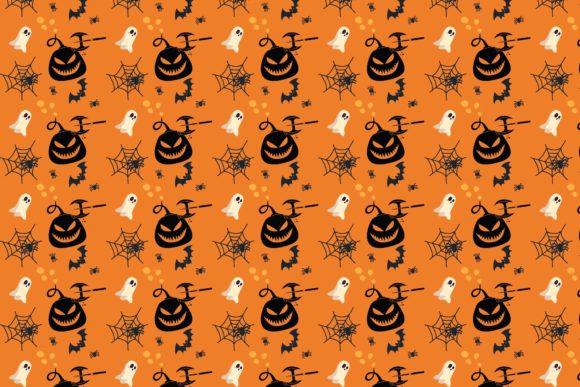
Before we even talk about stitch density or hoop sizes, the most critical factor is the mood. Halloween Patterns Icon-217 immediately exudes a playful yet slightly eerie energy that fits perfectly within the current aesthetic trends for seasonal crafts. The iconography feels modern rather than dated, avoiding the cheesy, overly complex clutter that often plagues holiday designs. It possesses a clean visual personality that suggests versatility. Whether you are aiming for a boutique-style aesthetic or a fun, DIY craft project, this design offers a strong foundation. The layout is balanced, allowing the eye to rest on key elements without feeling overwhelmed by unnecessary noise. This kind of clarity is essential when translating a graphic into thread, as it ensures the final embroidery project retains its intended charm.
Real-Life Application: From Screen to Stitch
Let's imagine a specific scenario. You are preparing for the autumn season and have received a custom order for a high-quality canvas tote bag featuring a Halloween theme. The customer wants something unique that stands out but isn't too scary for a family-friendly environment. This is where Halloween Patterns Icon-217 shines. Because the file includes vector formats compatible with Adobe Illustrator and Corel Draw, I can easily resize the icon to fit the center panel of the tote bag perfectly. The ability to edit the design means I can adjust the spacing to ensure the stitches don't bunch up on the thick canvas fabric.
I also considered using this design for a baby onesie or a soft sweatshirt. For these items, the clean lines of the icon prevent the fabric from becoming too stiff after stitching. If I were to use a dense fill stitch for a solid background, I would worry about the garment feeling like cardboard, but the icon-based nature of Halloween Patterns Icon-217 allows for strategic use of satin stitches and running stitches. This keeps the texture pleasant against the skin, which is non-negotiable for baby embroidery. Furthermore, for a small business owner selling on Etsy, this design serves as a versatile asset. It can be mocked up on various products—from aprons to pillow covers—creating a cohesive brand identity for your craft business.
Strategic Placement and Fabric Considerations
While Halloween Patterns Icon-217 is robust, every experienced designer knows that placement is everything. There are specific situations where caution is required. If you are working with small hoop sizes, such as those used for caps or hats, you must verify that the design scales down effectively. While vector files allow resizing, extremely small dimensions can cause tiny details to disappear during the stitching process, resulting in a muddy look. Similarly, if you are embroidering on textured fabrics like heavy denim or bouclé, the definition of the icon might get lost. In these cases, you might need to adjust the thread colors or simplify the design further.
Stretchy fabrics present another challenge. When applying this design to knit materials like t-shirts or sweatshirts, the stability of the stitches is paramount. Without proper stabilizer support, the tension could cause the design to pucker, ruining the professional finish. Additionally, while the design is excellent for flat surfaces, curved surfaces like caps require careful digitizing adjustments to ensure the icon lays flat and doesn't distort. Dark fabrics also demand attention; you will likely need a higher contrast thread color palette to make the Patterns pop, ensuring the finished product looks crisp rather than dull.
Impact on Product Value and Customer Trust
In the world of handmade goods, presentation is everything. A well-executed machine embroidery design signals professionalism and care. When a customer receives a personalized gift or a piece of custom apparel featuring Halloween Patterns Icon-217, they are not just buying a decoration; they are buying the assurance of quality. The clean, scalable nature of the vector file ensures that whether you are creating a single patch or a hundred embroidered tote bags, the consistency remains high. This reliability builds trust with your buyers and encourages repeat business.
The design's adaptability also enhances its commercial value. You can use it for holiday embroidery projects, wedding gifts with a spooky twist, or even as part of a larger embroidered patch collection. The fact that it is a digital embroidery file that can be edited means you can create variations, such as changing the color scheme to match different seasons or themes, extending the lifespan of the asset in your design assets library. This flexibility is crucial for Etsy sellers and small shop owners who need to keep their inventory fresh and engaging without constantly commissioning new art.
Practical Designer Notes for Success
Before you commit to a full production run, there are several steps I strongly recommend taking. First and foremost, always test the design on scrap fabric. This simple step reveals issues with thread tension, stabilizer choice, and stitch density that you cannot see on a screen. Check the thread color contrast carefully; what looks vibrant in a digital mockup might appear muted in actual thread. Review the stitch density to ensure the design won't tear through thin fabrics or feel too rigid on heavier ones.
Confirm your hoop size requirements before starting. If the design includes tiny lettering or intricate corners, inspect them closely to ensure they will stitch cleanly. Testing the design in black and white mockups can help you visualize the contrast levels, while comparing light and dark fabric backgrounds will give you a complete picture of its versatility. Finally, use the proper stabilizer for your chosen fabric type. Whether you are working with cut-away stabilizers for permanent garments or tear-away for temporary backing, the right choice makes all the difference in the final result.
It is also vital to confirm licensing terms before selling finished items or digital products derived from Halloween Patterns Icon-217. While the file is editable, some licenses restrict commercial use or resale of the raw design. Always read the fine print to protect your commercial embroidery endeavors. By following these practical guidelines, you can transform a simple vector file into a stunning, market-ready creation that delights customers and elevates your brand.