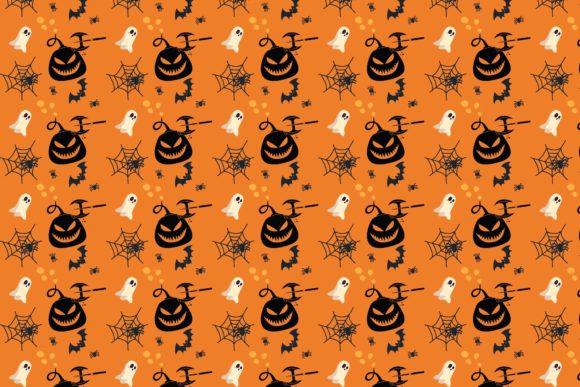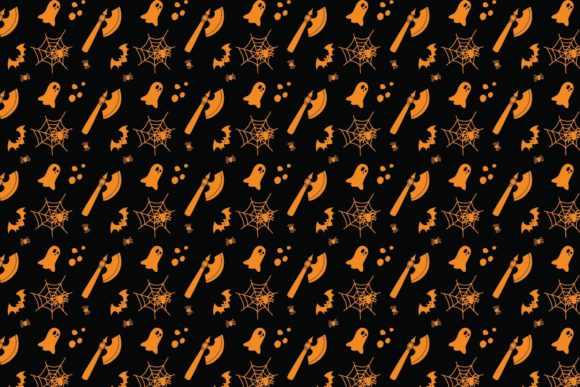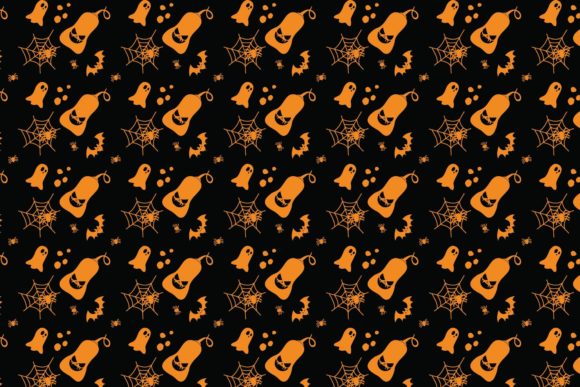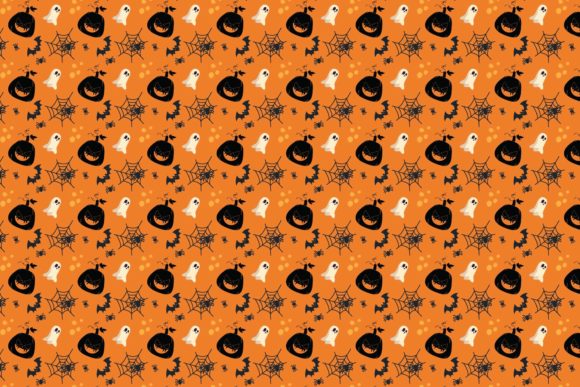
Halloween Patterns Icon-237: A Designer's Real-World Review
As someone who has spent years turning digital files into tangible, stitched treasures for clients and my own craft business, I approach every new download with a mix of excitement and skepticism. When Halloween Patterns Icon-237 landed in my inbox, I didn't just look at the preview image; I immediately started visualizing it on fabric. The description promises vector files that are openable, editable, and resizable without losing quality, which is music to an embroidery designer's ears. But does that translate to a clean stitch-out on a real project? Here is my honest take on how this design asset performs when moved from the screen to the hoop.
The First Impression: Mood and Visual Personality
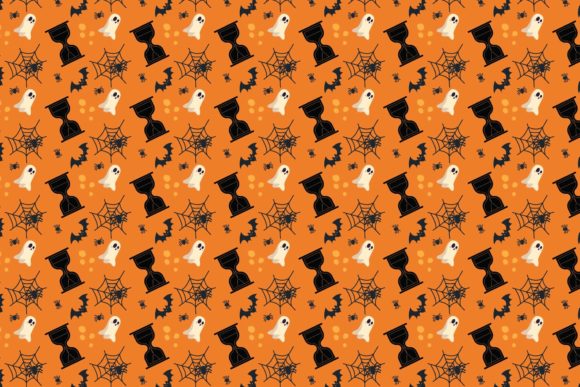
The moment you open the file in a program like Adobe Illustrator or Corel Draw, the layout speaks volumes. Halloween Patterns Icon-237 carries a distinct mood that balances spooky charm with professional polish. It isn't cluttered or overly chaotic; instead, it offers a clear visual hierarchy that suggests it was designed with the limitations of thread in mind. The shapes feel robust enough to hold their form after stitching, avoiding the common pitfall of designs that look great on a monitor but fall apart under the needle.
This specific piece feels like it belongs in a boutique setting rather than a mass-produced discount item. The iconography is sharp, creating a sense of confidence that translates well into branding. For a small shop owner looking to create cohesive holiday merchandise, this design offers the kind of visual personality that customers trust. It signals that the maker cares about detail, which is crucial when selling handmade products where presentation is everything.
Real-Life Application: From Screen to Stitch
I recently put Halloween Patterns Icon-237 through its paces by planning a custom embroidered tote bag line for a local Halloween market. My goal was to create a series of reusable bags featuring seasonal motifs that could be personalized with names or dates. Because the product description confirms these are vector files, I was able to resize the design to fit perfectly within the 4x4 inch area of my standard tote bag placement without any pixelation or jagged edges.
The editability was a game-changer. I needed to adjust the color palette to match a specific vintage orange and black theme I had in mind. Being able to manipulate the vector paths allowed me to tweak the saturation and ensure the contrast would pop against the canvas fabric. When I finally ran the test stitch, the result was impressive. The design held its shape beautifully, proving that the underlying structure supports both detailed work and broader fill areas.
This versatility extends far beyond tote bags. Imagine applying this design to a baby onesie for a "Little Pumpkin" themed gift, or perhaps as a central motif on a kitchen towel for a holiday hostess present. The scalability means it works equally well on a large sweatshirt back print or a tiny patch for a denim jacket. For Etsy sellers and creative entrepreneurs, this flexibility is invaluable. You aren't locked into one product type; you can adapt the same design asset across your entire catalog, from apparel to home decor, maintaining brand consistency while offering variety.
Navigating Challenges: Where to Proceed with Caution
While Halloween Patterns Icon-237 is a strong candidate for many projects, no single design is a universal fix-all. There are specific scenarios where you need to exercise extra judgment. If you are working with very small hoop sizes, such as those used for wrist cuffs or delicate jewelry boxes, you must verify the minimum size requirements before committing to production. Tiny details can sometimes get lost in the stitching process if the design is scaled down too aggressively.
Fabric choice is another critical factor. Textured fabrics like heavy boucle or highly textured knits can obscure fine lines. Similarly, stretchy materials require careful stabilizer selection to prevent puckering, especially if the design includes dense stitch areas. If you plan to use this for commercial embroidery on dark fabrics, pay close attention to the thread colors. You may need to add a layer of underlay or choose higher density threads to ensure the design stands out against the background.
Curved surfaces, like caps or fitted hats, also demand a second look. While the vector nature allows you to adjust the curve of the design, the physical distortion of the fabric during stitching can alter the final appearance. Always test on a scrap piece of the actual garment material first. This step is non-negotiable for anyone running a professional service or selling finished goods online, as it prevents costly returns and protects your reputation.
Impact on Product Value and Customer Trust
In the world of handmade goods, the quality of the embroidery directly influences customer perception. A sloppy stitch-out or a design that looks muddy after washing can ruin the perceived value of a handmade product. Conversely, a crisp, well-executed design like Halloween Patterns Icon-237 elevates the item, making it feel premium and worth the price point.
When customers receive a personalized gift or a custom apparel item with clean lines and vibrant thread colors, they are more likely to leave positive reviews and recommend your shop to others. This design supports that level of professionalism. It helps bridge the gap between a digital concept and a physical reality, ensuring that the final product matches the expectation set by your printable mockups and social media previews. For an Etsy seller, this consistency is key to building long-term engagement and repeat business.
Practical Designer Notes for Success
Before you start stitching up a batch of orders, there are several technical checks you should perform. First, always run a test on scrap fabric using the exact stabilizer you intend to use for the final project. This will reveal how the stitch density interacts with your chosen material and help you avoid issues like bird nesting or fabric pull.
Review the satin stitch and fill stitch areas closely. Are they too tight? Do they blend well together? Since the file is editable, you have the opportunity to adjust these parameters if necessary. Also, check the running stitch elements to ensure they are not too sparse, which could lead to unraveling over time.
Don't forget to inspect small details and lettering. Even in a vector file, extremely fine text can become illegible once stitched. Compare the design on both light and dark backgrounds in your software to anticipate how the thread colors will interact. Finally, confirm the licensing terms regarding commercial use. Ensure you have the right to sell finished items made with Halloween Patterns Icon-237 and understand any restrictions on reselling the digital file itself.
By taking these steps, you transform a simple graphic download into a reliable component of your creative workflow. Whether you are decorating a nursery, preparing for a craft fair, or launching a new line of holiday gifts, this design asset provides a solid foundation for your next embroidery project.