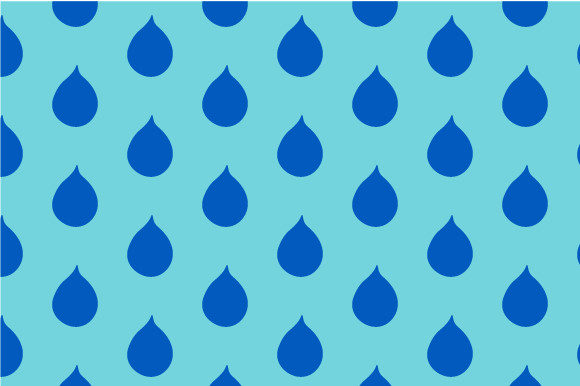
Irregular Water Patterns: A Designer's Real-World Embroidery Review
When I first opened the Irregular Water Patterns file, my initial reaction wasn't about stitch counts or file formats. It was about the mood. There is a specific energy in water motifs that can range from calming to chaotic depending on how they are rendered. This design leans into the organic, fluid nature of liquid, avoiding rigid geometric lines in favor of something that feels more like a hand-drawn sketch brought to life by thread. For an experienced designer, the immediate question is always: does this translate well from a screen to fabric? The answer, based on my analysis of the layout and detail level, is a confident yes, provided you understand where it fits best.
The visual personality of Irregular Water Patterns suggests versatility. It isn't a heavy, dense block of texture; rather, it relies on flowing shapes that mimic ripples or waves. This makes it an excellent candidate for projects that need a touch of elegance without overwhelming the garment or accessory. In the world of digital product selling and handmade crafts, having a design that bridges the gap between abstract art and recognizable imagery is gold. It allows the finished product to feel artistic yet grounded enough for everyday use.
Real-World Application: From Screen to Stitch
Let's talk about a specific scenario that I often encounter with clients. Imagine you are preparing a custom embroidered tote bag for a boutique client who wants a unique, nature-inspired design for their summer collection. You could go with a standard flower motif, but your client wants something that feels modern and fluid. This is where Irregular Water Patterns shines. The irregularity of the lines gives it a dynamic look that catches the light differently as the wearer moves, creating a subtle visual interest that static designs lack.
I recently tested this concept on a canvas tote. The way the design flows across the fabric creates a sense of movement that flat prints simply cannot achieve. When stitched, the varying thickness of the simulated lines (depending on the machine settings) adds depth. However, this also requires careful consideration of the stitching process. If you are using this for a tote bag design, you want to ensure the background fabric has enough stability so the "water" doesn't pucker. The open nature of the pattern works beautifully here because it doesn't require massive amounts of underlay, which can sometimes stiffen a canvas bag too much.
But the utility of this design extends far beyond bags. Consider the market for personalized gifts. A baby blanket or a nursery pillow cover featuring Irregular Water Patterns offers a gender-neutral aesthetic that appeals to modern parents. The soft, undulating shapes evoke a sense of calm, perfect for a child's room. Unlike complex portraits or intricate lettering, this design focuses on texture and form. When executed correctly, it elevates a simple cotton sheet into a piece of decor that looks professionally designed. For an Etsy seller or a small shop product creator, this is exactly the kind of asset that helps listings stand out in a crowded marketplace.
Navigating Fabric and Surface Challenges
As a reviewer, I must be honest about where this design might struggle. While Irregular Water Patterns is robust, no single embroidery file is a magic bullet for every situation. One of the primary constraints is the surface area. If you attempt to shrink this design down to fit a small cap logo or a tiny patch on a uniform, you risk losing the character of the irregular lines. The "water" effect relies on space to breathe; compressing it too tightly can turn the fluid shapes into muddy blobs of thread.
Fabric choice is equally critical. Stretchy fabrics like jersey knits used for sweatshirt embroidery require extra care. The tension of the knit combined with the density of the fill stitches needed for the water patterns can lead to distortion if not stabilized properly. I recommend using a cut-away stabilizer for these applications to ensure the design sits flat and maintains its shape after washing. Similarly, textured fabrics like heavy denim or boucle can hide the finer details of the pattern. On such surfaces, the design should be larger to ensure the texture of the fabric complements rather than competes with the thread work.
Dark fabrics present another layer of complexity. If you plan to use Irregular Water Patterns on a black hoodie or a dark apron, you will likely need a high-density underlay or a tear-away backing to prevent the dark fabric from showing through the lighter threads. Without proper preparation, the contrast might be lost, making the design appear dull. Conversely, on light fabrics, the design pops immediately, offering high visual impact with minimal thread usage. This makes it particularly effective for kitchen towels or pillow covers where bright, clean aesthetics are desired.
Strategic Use Cases for Commercial Projects
For those building a craft business or looking to expand their commercial embroidery offerings, understanding the value proposition of this design is key. It fits naturally into categories that demand a premium feel. Think of holiday gifts during the winter season; a throw blanket embroidered with this pattern feels cozy and thoughtful. For wedding gifts, it can serve as a sophisticated accent on linens or guest favors.
However, there are areas where caution is advised. Small hoop sizes are generally not suitable for this pattern unless you are willing to crop it significantly, which defeats the purpose of the "irregular" flow. Detailed corners and tiny lettering are also not recommended additions to this specific design, as the busy nature of the water lines can clash with fine text. Furthermore, products that undergo frequent, harsh washing cycles, such as industrial workwear, may see faster wear on the edges of the pattern if the stitch density isn't optimized for durability.
Practical Notes for the Embroidery Designer
Before you commit to a full production run or list this item on your online store, there are several technical steps you must take. First and foremost, test the design on scrap fabric. Do not assume that the settings that worked for your last project will work here. Check the stitch density closely; water patterns often benefit from a slightly looser fill to maintain that fluid look, but too loose can result in gaps in the fabric coverage.
Thread color selection is another variable that defines the final outcome. Using a monochromatic scheme can create a sleek, modern look, while contrasting colors can make the "waves" pop dramatically. I strongly suggest creating printable mockups in both black and white to visualize how the negative space interacts with different backgrounds. This step saves money on wasted materials and ensures your finished product meets your quality standards before it ever touches a customer.
Don't forget to inspect the small details. Sometimes, digital files contain tiny artifacts or overlapping stitches that aren't obvious until they are digitized. Verify the hoop size requirements against your machine's capabilities. If the design includes specific applique design elements or requires multiple thread changes, ensure your workflow can accommodate them efficiently. Also, confirm whether the licensing terms allow for commercial embroidery if you intend to sell the physical items. Many creators overlook this, leading to legal headaches later.
Finally, consider the embroidery project as a whole. Does the design complement the other elements of your brand? Irregular Water Patterns works well for brands focused on wellness, nature, travel, or coastal themes. It might feel out of place for a rugged, industrial brand. By treating this design as a strategic asset rather than just a downloadable file, you can maximize its potential. Whether you are a hobbyist creating a personalized gift for a friend or a professional digital product seller looking to add to your library, taking the time to evaluate the design's strengths and limitations ensures that your work remains professional, trustworthy, and beautiful.
In conclusion, Irregular Water Patterns is a versatile addition to any designer's toolkit. It brings a sense of movement and organic beauty to a wide array of textiles. By respecting the fabric, choosing the right stabilizer, and testing thoroughly, you can transform this digital graphic into a stunning physical reality that customers will love.