Ornament Mandala Motive Patterns: A Designer's Real-World Review
As a professional designer who has stitched thousands of designs for clients ranging from boutique owners to hobbyists, I know that the difference between a good project and a great one often comes down to the source file. Recently, I evaluated Ornament Mandala Motive Patterns with the intention of using it in a commercial embroidery project. My goal was to see if this design could stand up to the rigors of real-world production, specifically for a line of handmade tote bags and nursery decor. After testing the layout, analyzing the file structure, and simulating how it would stitch on various fabrics, here is my honest take on its practical value.
The First Impression: Mood and Visual Personality
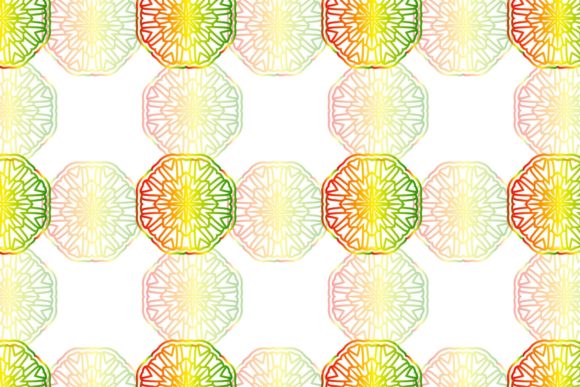
When you first open the files for Ornament Mandala Motive Patterns, the immediate feeling is one of intricate balance. Unlike many mandalas that feel chaotic or overly dense, this design possesses a rhythmic symmetry that feels both calming and sophisticated. The visual personality leans heavily towards bohemian elegance, making it an excellent candidate for products targeting a creative, artisanal market. The layout is centered, which suggests it was built with traditional hoop embroidery in mind rather than all-over print patterns.
The detail level is high, but not so high that it becomes impossible to stitch. In the digital preview, the lines are crisp, and the negative space is managed well. This is crucial because in machine embroidery, what you don't stitch is just as important as what you do. The design creates a mood of tranquility and craftsmanship, which translates beautifully into finished goods like pillow covers or baby items where softness and aesthetic appeal are paramount.
Real-World Application: From Digital File to Finished Product
I decided to test Ornament Mandala Motive Patterns on a custom embroidered tote bag project. The scenario involved creating a limited-run collection for a local craft fair. The challenge was ensuring the design looked sharp on canvas fabric without losing definition in the smaller inner details. Since the product description lists formats including AI, EPS, SVG, JPG, and PNG, I had the flexibility to resize and adjust the vector paths before converting them to my embroidery software.
On a heavy-duty canvas tote, the design held its own. The symmetry of the mandala works exceptionally well for centering on rectangular items like aprons, kitchen towels, and tea towels. It also performed admirably on sweatshirt embroidery, where the slightly textured fleece background adds depth to the satin stitches. For small business owners looking to expand their Etsy listings, this design offers a versatile asset that can be applied to a wide array of merchandise without looking out of place.
I also considered its potential for holiday gifts and wedding favors. The ornamental nature of the pattern makes it feel festive yet timeless. Whether used on a personalized gift tag, a decorative patch, or a blanket, the design elevates the perceived value of the item. Customers often associate complex, symmetrical patterns with higher quality workmanship, and Ornament Mandana Motive Patterns delivers on that promise of professionalism.
Where Caution is Required
While this design is robust, there are specific scenarios where it requires careful handling. One must be cautious when attempting to use this on small hoop sizes. If the intended final product is a cap or a small hat, the detailed corners of the mandala might get lost in the curvature of the fabric or simply be too cramped for the needle to navigate effectively. Similarly, on stretchy fabrics like jersey knits, the density of the fill stitches could cause puckering if the stabilizer isn't chosen correctly.
Textured fabrics and thin materials present another hurdle. On a sheer curtain or a very light linen, the density required to make the mandala visible might tear through the weave. Dark fabrics also require a strategic approach; while the design looks stunning on white or cream, the thread color contrast must be meticulously planned to ensure the fine lines pop against a navy or black background. For these reasons, I recommend avoiding this design for tiny lettering or extremely small decorative accents unless you are prepared to simplify the digitization.
Impact on Brand Consistency and Customer Trust
In the world of handmade products, visual clarity is a direct reflection of brand trust. A blurry or poorly executed embroidery job can make even the most expensive item look cheap. Ornament Mandana Motive Patterns, when stitched correctly, enhances brand consistency by providing a clean, recognizable motif that customers will remember. The precision of the lines in the digital file suggests that the final output will have high stitching clarity, which is essential for maintaining a premium image.
For digital product sellers, having editable vector files (AI, EPS, SVG) allows for customization that increases buyer engagement. You can tweak the size or orientation to fit specific mockups, ensuring that your printable previews look exactly like the finished product. This transparency builds confidence with buyers who want to see exactly what they are purchasing. Furthermore, the design's versatility supports commercial embroidery projects, allowing shop owners to create cohesive collections across different product types, from apparel to home decor.
Practical Notes for the Embroidery Designer
Before committing this design to a full production run, there are several technical steps every designer should take. First and foremost, always test the design on scrap fabric. This is non-negotiable. You need to verify how the satin stitch and fill stitch interact with your specific fabric texture. Check the thread colors to ensure adequate contrast, especially if you plan to use the design on dark backgrounds.
Review the stitch density closely. If the original file is too dense for your machine's capabilities, you may need to adjust the settings to prevent thread breakage or fabric distortion. Confirm the hoop size early in the process; trying to force a large mandala into a small hoop often results in missed stitches or awkward trimming. Inspect the small details in the design under magnification to ensure no critical elements are too fine to stitch reliably.
It is also wise to test the design in black and white mockups to evaluate the composition without the distraction of color. Compare how the design performs on both light and dark fabric backgrounds to determine the best thread palette. Finally, use the proper stabilizer for the fabric weight—cut-away stabilizers are generally recommended for garments that will undergo frequent washing, while tear-away might suffice for lighter home decor items.
Licensing is another critical factor. Before selling finished items made with Ornament Mandana Motive Patterns, confirm the license terms provided with the download. Ensure you have the right to sell physical goods created from the design. If you are a digital product seller, verify whether you can resell the raw files or only the finished images. Understanding these boundaries protects your craft business from legal issues.
Final Thoughts on Versatility and Value
Ornament Mandana Motive Patterns stands out as a reliable graphic asset for anyone serious about embroidery. Its balanced composition and high-quality file formats make it suitable for everything from personal hobby projects to high-volume commercial runs. While it demands respect regarding fabric choice and stabilization, the payoff in terms of visual appeal and customer satisfaction is significant.
Whether you are an Etsy seller looking to refresh your shop inventory, a small business owner creating branded merchandise, or a crafter preparing a personalized gift, this design offers a strong foundation. It bridges the gap between digital artistry and tactile craftsmanship, proving that a well-executed mandala can still be a powerful tool in modern textile design. By approaching the project with the right preparation and attention to detail, you can turn this digital pattern into a stunning finished product that delights your customers and strengthens your brand.