Mandala Indian Ethnic Patterns: A Designer's Review
I recently received a new design asset to evaluate for a client project involving a boutique handmade brand launching a seasonal collection. The product in question is Mandala Indian Ethnic Patterns. As a professional graphic designer who frequently navigates the balance between artistic flair and commercial viability, I approach every new download with a critical eye. This isn't just about whether an image looks pretty; it is about whether it functions effectively within a larger visual system. After testing this asset across various mockups and layout scenarios, here is my honest assessment of how Mandala Design performs as a commercial-grade graphic design asset.
First Impressions: Mood and Visual Identity
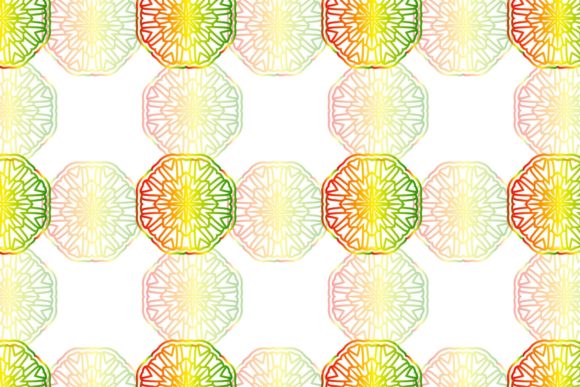
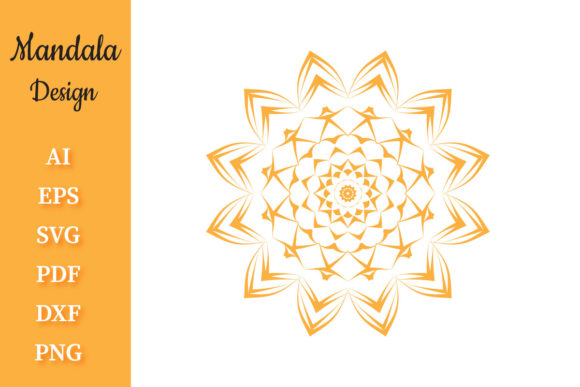
The moment you open the files for Mandala Indian Ethnic Patterns, the visual impact is immediate. These aren't generic geometric shapes; they carry a distinct cultural weight and intricate detail that speaks to heritage and craftsmanship. The mood created is one of warmth, spirituality, and organic elegance. For a client looking to establish a brand identity rooted in authenticity, such as a yoga studio, an artisanal home goods line, or a bohemian fashion label, this PNG design offers an instant emotional connection.
The style represents a fusion of traditional ethnic motifs with modern digital precision. It feels polished enough for high-end packaging yet retains the hand-crafted charm required for small business branding. Unlike flat clipart, these patterns have depth. They suggest a story, which is crucial when designing marketing visuals that need to stand out in a crowded marketplace like Etsy or Amazon Handmade.
Real-World Application in Client Projects
To truly understand the utility of Mandala Indian Ethnic Patterns, I applied it to several hypothetical but realistic scenarios. In a logo design context, the central mandala could serve as a powerful icon for a wellness brand, while the surrounding patterns could frame the logo on business cards. However, its versatility extends far beyond simple logos.
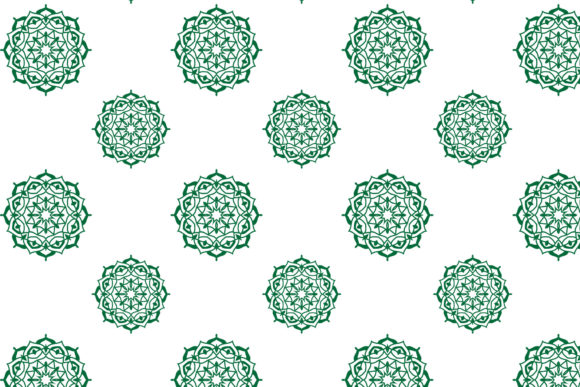
For packaging design, these graphics are exceptional. Imagine wrapping paper for a luxury candle line or labels for organic skincare products. The intricate lines create a luxurious texture that elevates the perceived value of the product. When used in product mockup environments, the pattern wraps beautifully around curves, adding a layer of sophistication that plain colors cannot achieve.
In the realm of social media graphics, specifically for Instagram posts and Pinterest pins, these patterns act as excellent background textures. They provide a rich backdrop that allows white text to pop without overwhelming the viewer. For a content creator launching a series of digital planners or printable wall art, this digital product serves as a foundational element that ties the entire aesthetic together. It is also highly effective for Cricut projects and sublimation designs, where the clean vector lines ensure crisp cuts and vibrant prints on mugs, tote bags, and t-shirts.
Strategic Placement and Layout Considerations
While Mandala Indian Ethnic Patterns is versatile, it demands respect regarding placement. It works best in large layout areas, hero graphics, and decorative accents where it can breathe. Using it as a full-page background for a website header or a banner ad creates an immersive experience. In editorial design, it can be used to break up text sections or highlight key quotes, adding a touch of artistic flair to blogs and newsletters.
However, there are specific situations where this asset requires careful handling. Due to the complexity of the design, it should be avoided in small sizes where details may become muddy. If you are creating a favicon or a tiny app icon, the intricate lines will likely disappear into a blur. Furthermore, in crowded layouts with heavy typography, the pattern can compete for attention rather than support the message. For minimalist branding or professional corporate materials that require stark simplicity, this illustration might feel too busy. It is not suitable for projects demanding a very clean visual hierarchy where the focus must remain strictly on data or primary information.
Impact on Readability and Brand Perception
The choice of Mandala Indian Ethnic Patterns significantly influences the overall impression of a design project. When paired correctly, it enhances visual trust and recognition. Audiences often associate these types of graphics with quality, tradition, and care. This emotional appeal drives higher engagement rates on social media and increases the likelihood of conversion for print-on-demand sellers.
Conversely, poor integration can harm readability. If the pattern is too dark or high-contrast against the text, it becomes difficult to read. To maintain professionalism, designers must ensure that the text remains legible. The pattern should act as a supporting character, not the lead actor, unless the goal is purely decorative. When used to create a cohesive design bundle or a themed collection, it strengthens brand consistency, making the business appear more established and thoughtful.
Practical Designer Notes for Commercial Use
Before incorporating Mandala Indian Ethnic Patterns into a final client deliverable, there are several technical checks every designer must perform. First, always test the asset in black and white. This ensures that the design holds up even if color printing fails or if the client needs a monochrome version for letterhead.
Next, check contrast on both light and dark backgrounds. The provided JPG file and PNG design should offer sufficient separation from your chosen background colors. Preview the pattern at both small and large sizes to ensure the resolution remains sharp. Since the package includes AI, EPS, and SVG files, inspect the vector editability. You should be able to ungroup elements and resize them without losing quality, which is essential for sublimation design and large-format printing.
If using the PNG, verify the transparency edges are clean and free of halos. Compare the pattern with different font styles—serif fonts often pair well with the traditional feel, while sans-serif fonts can modernize the look. Script fonts can enhance the bohemian vibe, but display fonts might clash if the pattern is too ornate. Finally, confirm the commercial license terms. Ensure you have the right to use these design assets for end-client work, especially if you are selling physical products like stickers or t-shirts.
Final Verdict on the Asset Package
The inclusion of five digital files in total 1920px X 1280px Canvas Size provides ample flexibility. Receiving the design in AI, EPS, SVG, JPG, and PNG formats means you have everything needed for any workflow, from web design to print production. The fact that it is easy to edit makes it a valuable tool for Canva templates and rapid prototyping.
Mandala Indian Ethnic Patterns is more than just a decorative element; it is a strategic component for brands seeking to convey depth and culture. Whether you are a crafter, a digital seller, or a seasoned agency designer, this asset offers a strong foundation for creative design. Just remember to apply it with intention, respecting the space it occupies and the mood it sets. Used wisely, it transforms a standard project into a memorable brand experience.