Minimalist Leaf Patterns: A Designer's Real-World Review
As someone who has spent years stitching, selling, and refining embroidery designs for clients, I know that the difference between a "nice picture" and a profitable embroidery project often comes down to one thing: practicality. When I first opened the folder for Minimalist Leaf Patterns, my initial reaction wasn't about the pretty graphics on the screen; it was about how this design would hold up under the needle. In the world of handmade goods and boutique branding, simplicity is a luxury, but only if the execution is flawless.
This review isn't just about listing features; it is about evaluating whether this machine embroidery design can survive the rigors of real production. Whether you are an Etsy seller looking to expand your catalog or a small business owner creating custom apparel, understanding the nuances of a design before you hit "stitch" is crucial. Let's dive into what makes Minimalist Leaf Patterns work in the field and where it might trip you up.
The First Impression: Mood and Visual Personality
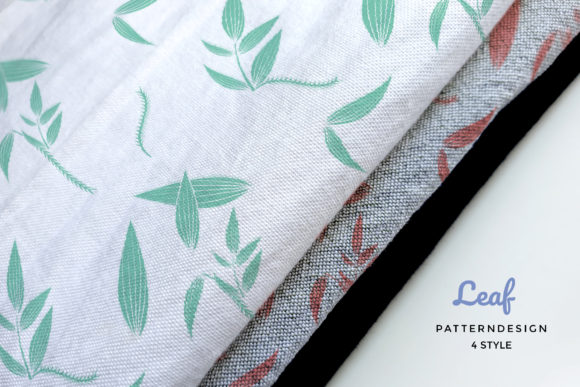
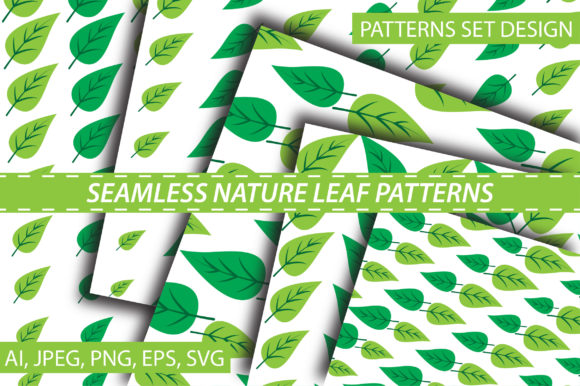
The moment you see Minimalist Leaf Patterns, the vibe is undeniably calm and organic. The description mentions a simple pattern with a leaf theme formed from basic shapes modified into a variety of objects. This suggests a clean aesthetic that relies on form rather than intricate detail. For a designer, this is a breath of fresh air. Too many designs try to be everything at once, resulting in cluttered stitches that look muddy when finished.
Here, the personality is understated. It feels like a design meant for modern spaces—think Scandinavian interiors, minimalist nurseries, or contemporary fashion lines. The lack of excessive ornamentation means the design will likely translate well across different mediums without losing its identity. It creates a mood of sophistication without trying too hard. When you are building a brand identity, having assets that feel consistent and professional is key. This design offers that potential immediately.
Real-World Application: From Tote Bags to Nursery Decor
Let's imagine a specific scenario. You have a client who wants a line of custom embroidered tote bags for a local botanical garden shop. They need something that looks good on canvas but doesn't overwhelm the fabric. Minimalist Leaf Patterns fits this perfectly. The clean lines of the leaves would stand out beautifully against a natural beige or olive green canvas, creating a subtle yet high-end look.
But the versatility doesn't stop there. Consider the market for personalized gifts. This design could easily transition from a large tote bag to a smaller item like a baby onesie or a bib. Because the shapes are basic and not overly complex, they are forgiving on stretchy fabrics common in baby clothes. The same file could also be used for holiday embroidery projects, perhaps as a single accent on a kitchen towel or a pillow cover for a winter home decor collection.
I also see strong potential for commercial embroidery projects involving branded merchandise. Imagine a sweatshirt embroidery campaign for a yoga studio or a creative agency. A single, well-placed leaf motif conveys growth and nature without being distracting. It allows the wearer to express a sentiment without shouting. For digital product sellers, these files are excellent for creating printable mockups. Since the design is graphic-heavy but stitch-light, it renders clearly in previews, helping buyers visualize the final product before purchasing.
Where to Use Caution: Technical Limitations
However, every designer knows that a beautiful concept can fail if the technical details aren't managed. While Minimalist Leaf Patterns is generally robust, there are specific scenarios where you need to be careful. If you plan to use this on textured fabrics, such as heavy denim or boucle wool, the simple lines might get lost in the weave. You may need to adjust your thread colors to ensure contrast.
Another area to watch is small hoop sizes. If you are designing an embroidered patch or a tiny cap logo, the modification of basic shapes into leaves needs to remain legible. If the original design includes very fine details that are barely visible on screen, they might disappear entirely when stitched at a 2-inch diameter. Always check the hoop size requirements before committing to a small garment.
Stretchy fabrics present another challenge. While the design is simple, if it relies heavily on satin stitch for outlines, it could pucker on a thin t-shirt or a fitted hat. You must ensure you are using the proper stabilizer to support the fabric during stitching. Furthermore, avoid using this design on dark fabrics unless you have planned for a dense underlay or a contrasting thread color. Without proper planning, the light-colored threads might not pop against a black background, ruining the visual appeal.
Stitch Density and Fabric Texture
The success of this design often hinges on stitch density. Simple patterns rely on the quality of the fill stitch and the precision of the running stitch. If the density is too high, the fabric becomes stiff and uncomfortable, which is a major issue for items like aprons or pillow covers that are handled frequently. Conversely, if the density is too low, the design might look sparse and unfinished.
When working with digital embroidery files, always inspect the small details. Look at the corners of the leaves and the tips of the stems. Are they sharp, or do they round off? On a finished product, rounded corners can make a design look amateurish. If the design requires a lot of applique design techniques to achieve the desired look, remember that applique adds bulk and time to the production process. Ensure that the added value justifies the extra effort.
Practical Notes for the Professional Designer
Before you start mass-producing any item with Minimalist Leaf Patterns, there are a few non-negotiable steps you should take. First and foremost, test the design on scrap fabric. This is the golden rule of our trade. Seeing the design stitch out on the actual material you intend to sell reveals issues with thread tension, puckering, or color clash that you simply cannot predict from a computer screen.
Check your thread color contrast carefully. A leaf design in a single shade of green might look great on white but vanish on gray. Test it in black and white mockups to ensure the shape holds up even without color. Also, confirm whether the design works for both personal and commercial projects. Many designers assume all files are free for resale, but licensing terms vary wildly. If you are an Etsy seller or running a craft business, you must verify the license to avoid legal trouble later.
If the product description does not explicitly state the file formats, stitch counts, or machine compatibility, do not guess. Reach out to the creator or check the download page thoroughly. Using an incompatible file format can lead to wasted time and ruined materials. Additionally, compare the design on light and dark fabric backgrounds to ensure it maintains its integrity across different product lines.
Final Thoughts on Value and Trust
In the end, the value of Minimalist Leaf Patterns lies in its ability to elevate a handmade product through thoughtful design. Customers today are savvy; they can tell the difference between a rushed, generic design and something that shows care and intention. A clean, well-executed leaf motif signals professionalism and builds trust. It suggests that the maker cares about the details, which translates to higher perceived value for the buyer.
Whether you are creating a personalized gift for a friend or stocking a boutique with unique items, this design offers a solid foundation. It is versatile enough to adapt to various trends while remaining timeless. Just remember that the best design in the world is only as good as the execution. Take your time, test your setups, and let the simplicity of the leaves speak for itself. When done right, Minimalist Leaf Patterns can be a standout asset in your portfolio, turning simple stitches into memorable products.